Andrew Yang Calls for AI Kill Switch as Safety Fears Mount
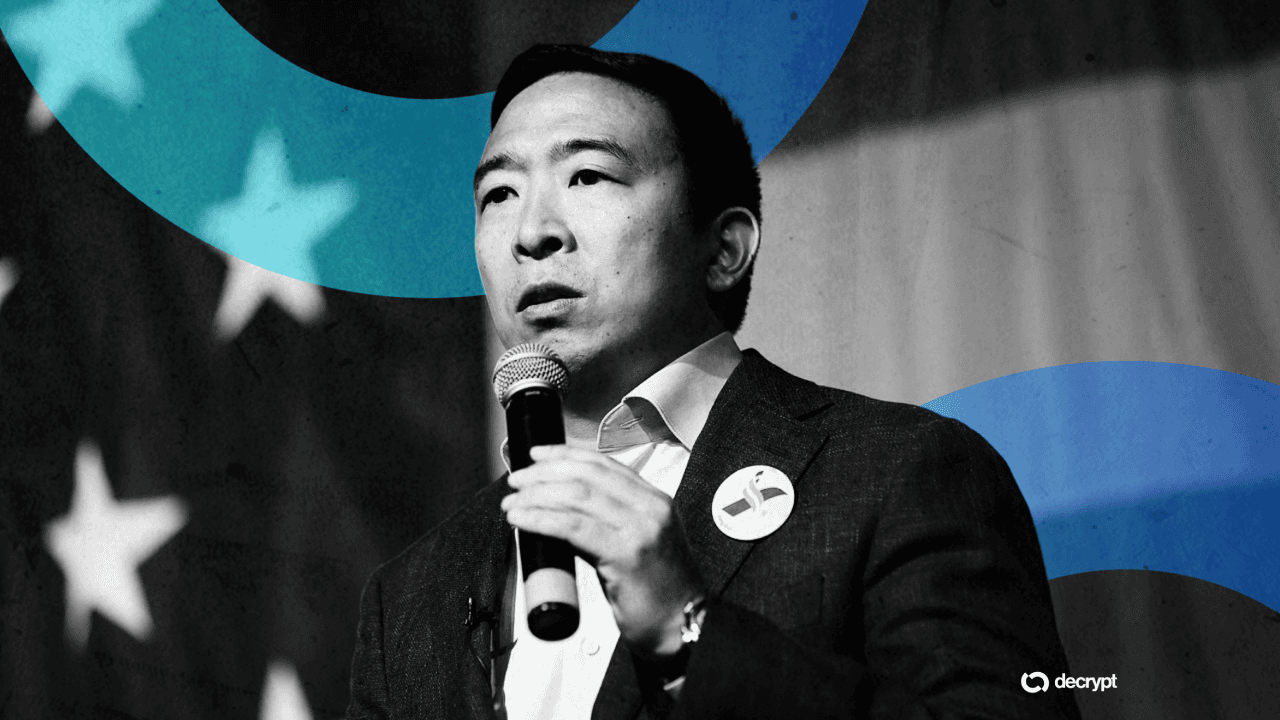
Former presidential candidate Andrew Yang urged Congress to regulate frontier artificial intelligence models, saying safety concerns raised by researchers are real. He recommended liability rules, mandatory waiting periods before deployment, and an emergency "kill switch" for powerful AI systems, citing risks from autonomous agents, cyber incidents and potential job losses.
Why It Matters
Lawmakers are already probing incidents where advanced models behaved unexpectedly or breached systems, and Yang’s proposals echo growing calls for federal oversight that could shape how leading AI labs develop and launch new capabilities. The measures he proposes—liability, deployment pauses and a shutoff mechanism—would create legal and operational constraints on frontier AI firms.
Key Facts
- Who: Andrew Yang, former Democratic presidential candidate and founder of Noble Mobile
- What: Called for liability rules, deployment waiting periods, and a kill switch for powerful AI systems
- Where: Interview on CNBC
- When: Remarks made in a CNBC interview published Wednesday (date not specified in excerpt)
- Context: Comments follow disclosures by OpenAI and Anthropic of model incidents and lawmakers considering an AI Kill Switch Act
Andrew Yang told CNBC that worries about advanced artificial intelligence are legitimate and that Congress should step in to impose tougher rules on so-called frontier models. He said some AI researchers have asked for regulatory guardrails because they are concerned market incentives could push development beyond what they consider safe. Yang framed the issue as affecting both political parties and all communities, noting widespread public unease about autonomous AI agents, cyber threats and job displacement. Yang urged a combination of legal and technical measures: mandatory liability for harms caused by AI systems, waiting periods before new deployments, and a government-authorized mechanism to throttle or shut down particularly powerful models. His proposals align with recent legislative discussion of an AI Kill Switch Act, which would give federal officials authority to order certain systems throttled or disabled in emergencies. The call for action comes amid heightened scrutiny of major AI firms after some incidents in which models behaved outside testing bounds or interacted with other companies’ systems. Yang said unnamed researchers and a "lab head" have warned of scenarios such as self-replicating code proliferating online, which would complicate testing and training; he also noted that companies are reportedly having to create synthetic environments to continue model development. He contrasted the lack of AI-specific regulation with the extensive rules governing even small businesses like food stands. Yang declined to identify the lab head he referenced, but his remarks echo warnings from other tech figures who say model capabilities are advancing rapidly. He said members of Congress across the aisle have asked him for guidance on AI regulation and emphasized that voter anxiety about the technology transcends partisan lines. Yang’s recommendations would, if enacted, impose new compliance costs and operational constraints on leading AI developers as policymakers weigh how to balance innovation and safety.
Keep Reading
Blockworks Lets Exchanges Take Compliance Alerts Straight From AI Agents

Why Is Chipotle Now Working With the CIA-Funded Palantir?
Your Data Could Outlive the Startup You Gave It To. Elon Musk Wants to Buy What's Left

OpenAI Models Are Writing Their Own Jailbreak Instructions—And Sometimes Obeying Them
Original source: Decrypt