Bitcoin Will Hit $1 Million, Says Kevin O’Leary—But There’s a Quantum Catch
Investor Kevin O'Leary told The Rollup podcast that Bitcoin could reach $1 million if the crypto industry solves the quantum-computing threat known as "Q-Day," which could break the encryption securing Bitcoin. He also said his prior view that Bitcoin and Ethereum would capture most crypto upside was wrong, and said he's shifting focus to blockchains that institutional platforms standardize on and to infrastructure plays for AI, including investments in power and uranium.
Why It Matters
O'Leary's comments highlight two persistent industry questions: whether quantum computing poses an existential risk to blockchain security and which platforms will become standards for tokenization as institutions adopt on-chain trading. His investment shifts reflect a broader move from betting on single application-layer winners to backing underlying infrastructure.
Key Facts
- Event: Avalanche Summit in New York
- Interview: The Rollup podcast
- Price target mentioned: $1 million for Bitcoin (conditional)
- Primary risk cited: Quantum computers capable of breaking Bitcoin's encryption ("Q-Day")
- Previous thesis: Bitcoin and Ethereum would capture ~97% of crypto volatility
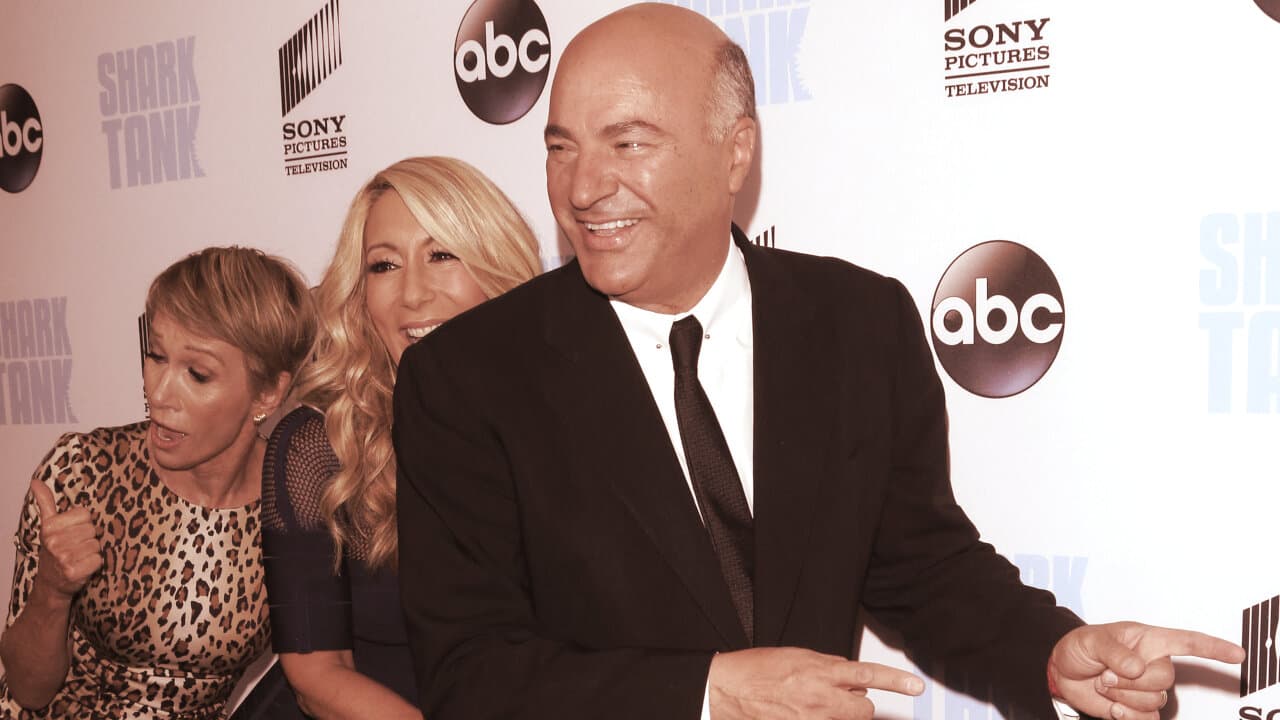
Speaking at the Avalanche Summit in New York, investor and media personality Kevin O'Leary said Bitcoin could reach $1 million if the industry addresses the potential threat from quantum computing that could break blockchain encryption. He framed that threat, often called "Q-Day," as the key barrier keeping many institutions from treating Bitcoin as a core holding rather than a niche allocation.
O'Leary said his earlier investment thesis—that owning Bitcoin and Ethereum would capture nearly all of crypto's upside—has been overturned by developments in the field. He now expects whole industries to standardize on particular blockchains, rather than a single chain dominating broadly. In his view, whichever blockchain major exchanges adopt first for tokenization could become the plumbing for that market and see its token's value rise sharply.
On AI, O'Leary described a strategy of investing in the infrastructure that powers models rather than backing specific AI models themselves. He cited holdings including BitZero, a former miner turned Nasdaq-listed power company with assets and permits in Norway and Finland, and private power projects in Alberta and Utah. For the first time in his investing career he is also long uranium, anticipating demand from small modular nuclear reactors for data-center power.
O'Leary noted there is no current quantum computer able to break Bitcoin's digital-signature scheme, and estimates for when such a machine might exist vary widely. He said that concern about quantum risk is already influencing institutional allocations, with some funds limiting Bitcoin exposure to a small percentage of portfolios. He also commented on U.S. regulation, saying he does not expect the Clarity Act to move before the midterm elections but that a bipartisan effort could be revisited afterward.
Keep Reading
Bitcoin Blasts Past $80K and a Fresh Short Squeeze Is On
CFTC Kicks Off Crypto Rulemaking, Bypassing a Stalled Congress

XRP Surges 6.9% as Bitcoin Rebound Reopens Door to Golden Cross
