ChatGPT Images 2.5 vs Nano Banana 2: Which One is Better?
OpenAI rolled out ChatGPT Images 2.5 on September 8, advertising crisper detail, tighter editing control, and up to 50% lower latency than Images 2.0. In a six-category head-to-head evaluation against Google's Nano Banana 2 (Gemini 3.1 Flash Image), each model won three categories, with verdicts hinging on a handful of small, checkable errors rather than major failures.
Why It Matters
The update shows OpenAI addressing prior model flaws while adding workflow features and API quality tiers that matter to creators; a close tie with Google's top fast model indicates both companies are converging on comparable performance at this tier.
Key Facts
- launch date: September 8
- claimed latency improvement: up to 50% lower than Images 2.0
- new API models: GPT-Image-2.5 Flare (default fast) and GPT-Image-2.5 Sunburst (premium editing)
- test outcome: six categories, Nano Banana 2 won three, ChatGPT Images 2.5 won three
- previous issues addressed: removed warm yellow cast and the oversharpening artifacts seen in prior generations
OpenAI's ChatGPT Images 2.5 arrives as a focused iteration: the company says it sharpens textures, improves lighting, and tightens editing so untouched areas remain stable. The release also brings two API variants—Flare for speed and Sunburst for higher-precision edits—plus workflow features such as a Sketch tool, prompt sharing, inline comments on image regions, format templates for posters and merch, and expanded API quality tiers up through a new max level.
To see how that translates into outputs, the same evaluator reran a side-by-side comparison against Google's Nano Banana 2 (the Gemini 3.1 Flash Image flavor, not the slower Pro tier), using the same prompts and six adapted categories. The result was a split: each model took three categories. The margin between winners often came down to a few verifiable text or compositional slips rather than glaring visual failures.
In a dense lettering test (the “Kellerman’s Hardware” scene), Nano Banana 2 handled most text cleanly and edged out Images 2.5, which added a lamppost detail missing from Google’s output but produced two legibility errors—a duplicated or misspelled street tag and an unreadable apostrophe on the ghost sign. By contrast, Images 2.5 won the steampunk clock-tower spatial test: it produced richer atmosphere, clearer depth planes, and followed the prompt’s instruction for different clock-face times, while Nano Banana 2 mistakenly placed multiple faces at similar hand positions.
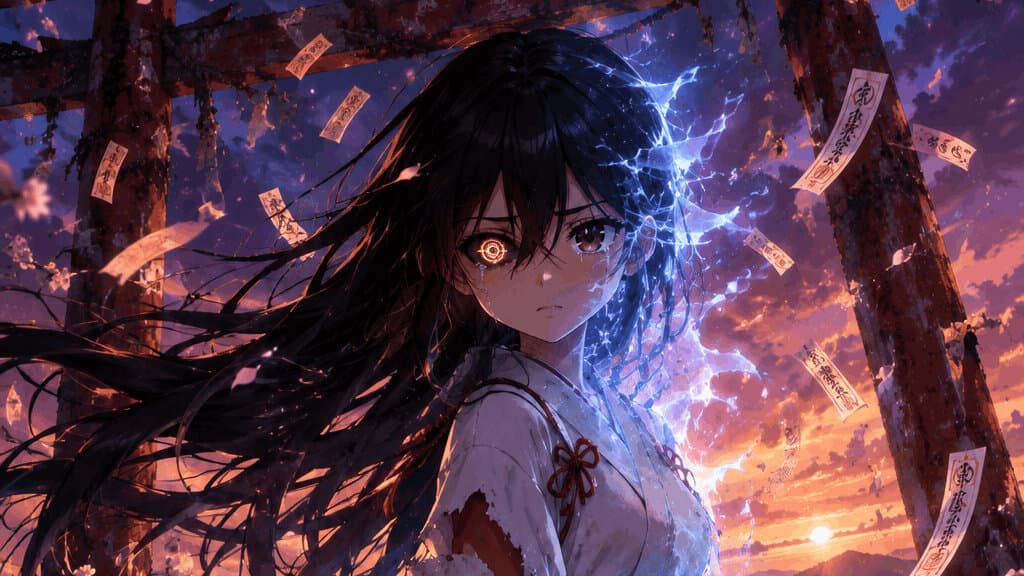
In the illustration category aiming for a Studio Ufotable/Shinkai-style key visual, Images 2.5 rendered the most convincing twilight sky and asymmetric eyes but interpreted the requested “dissolving into energy” effect as an electric-crackle through the hair rather than a flowing translucence. Nano Banana 2 produced a closer literal match for the energy trail. Neither model succeeded at rendering a convincing nine-tailed fox in that test.
Overall, Images 2.5 appears to have fixed the major color-cast and oversharpening quirks that affected earlier OpenAI image models, and it pairs those improvements with workflow and API enhancements that are meaningful to image creators. The tied score in this round suggests both OpenAI and Google offer competitive fast-and-precise options at this tier, with final preference likely to come down to which specific strengths—text fidelity, atmospheric rendering, or literal adherence to fine-grained instructions—matter most to a user.
Keep Reading

Revolut confirms customer data breach through fake government requests

Anthropic CEO outlines plan to ‘pace the frontier’
Nvidia considers $10B investment in potential record Anthropic IPO: Reuters

North Korea using foreign talent to help infiltrate US companies: Report
Original source: Decrypt