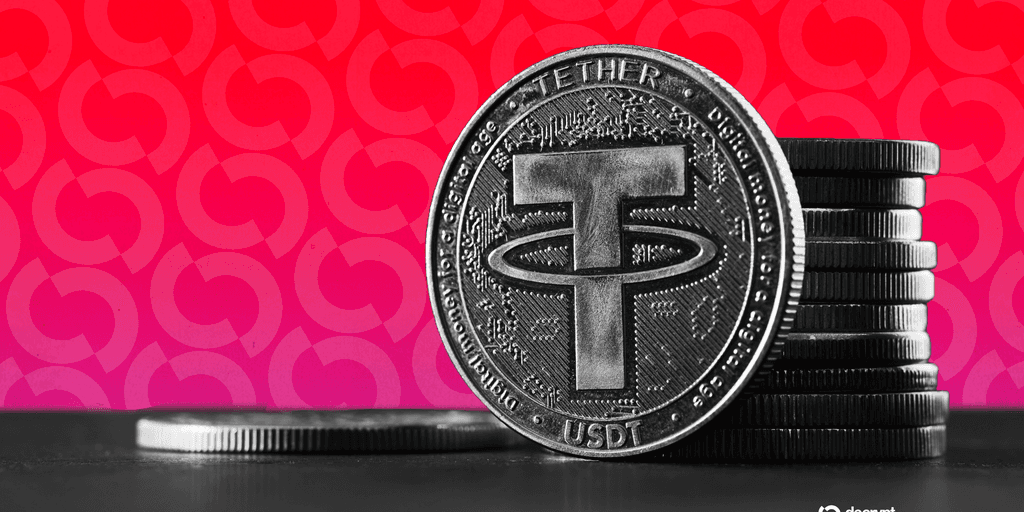
Morning Minute: SEC Clears Token Buybacks for Crypto Networks
The SEC’s Division of Corporation Finance updated its crypto FAQ to clarify that once a blockchain network is functional, announcing a token buyback does not, by itself, constitute a promise of "essential managerial efforts" under the Howey test. The guidance says maintenance, upgrades, growth, or promotional statements about an already-functional network likewise do not automatically make tokens securities, while buybacks tied to promises of yield before a product exists can still trigger securities laws.
Why It Matters
The clarification removes a major legal gray area for protocols that run live products and use buybacks to return revenue to holders, effectively endorsing models that treat tokens as claims on protocol cash flow rather than bets on future development. That opens regulatory space for many existing buyback programs and could reshape how projects design token economics.
Key Facts
- Source: SEC Division of Corporation Finance FAQ update (published Friday)
- Core ruling: Announcing a token buyback for a functional network does not constitute a promise of essential managerial efforts under Howey
- What doesn't count under Howey (per staff): Maintaining, upgrading, growing a functional network, promoting current network functions, or vague aspirational statements not tied to profit
- Remaining risk: Buyback promises made before a network is functional, or pitched as sources of yield/returns, can still trigger securities laws
- Examples of projects with buybacks: HYPE, PUMP, ENA, AAVE, SKY, LDO, PENDLE, AERO, RAY, JTO, NEAR, ETHFI, SYRUP, LIT, ASTER, KMNO, MET, CC, CARDS, PONS, STONK (per Decrypt/DeFiLlama)
The U.S. Securities and Exchange Commission’s Division of Corporation Finance updated its cryptocurrency FAQ on Friday to state that, for networks that are already functional, announcing a token buyback does not by itself amount to a promise of the "essential managerial efforts" that the Howey test uses to identify securities. The office clarified that routine actions tied to a live protocol — such as maintaining, upgrading or promoting what the network already does — do not automatically convert tokens into investment contracts under federal securities law.
The staff drew a clear dividing line: if a project ships a working product and then announces buybacks, that conduct generally falls outside the Howey analysis described in the FAQ. By contrast, if a network is not yet functional and an issuer markets buybacks as a source of yield or returns to holders, that could still meet the elements of a security offering. The update therefore operates as a filter rather than a blanket exemption.
Industry lawyers and observers described the buyback language as a notable development. Gabriel Shapiro, formerly general counsel at Delphi Labs, said the guidance "goes further than I expected," signaling that securities law may be applied on a more opt-in basis to crypto projects that already generate revenue. DeFi activity that routes protocol cash flow into token repurchases — a model that many projects have converged on this year — is effectively acknowledged as legitimate under the new FAQ language.
The change affects a broad slate of live protocols that run buyback programs. DeFiLlama and Decrypt highlighted projects including HYPE, PUMP, ENA, AAVE, SKY, LDO, PENDLE, AERO, RAY, JTO, NEAR, ETHFI, SYRUP, LIT, ASTER, KMNO, MET, CC, CARDS, PONS and STONK. Examples cited in the coverage include Pump.fun burning roughly $451 million (about 16.6% of supply), Pons routing around 80% of V1 revenue into buybacks, and Ethena holders voting to send 95% of net revenue to ENA. Those programs had previously operated in a legal gray zone that the FAQ now clarifies for functioning networks.
Keep Reading
California Bans Public Officials From Issuing Meme Coins Under New Newsom Law

Strategy Sets New BTC Holdings Record After $143M Bitcoin Purchase
Crypto ETFs Surge as Bitcoin Funds Add $2.95 Billion in 30 Days