OpenAI stuck fighting Musk antitrust suit after Apple finds a way out
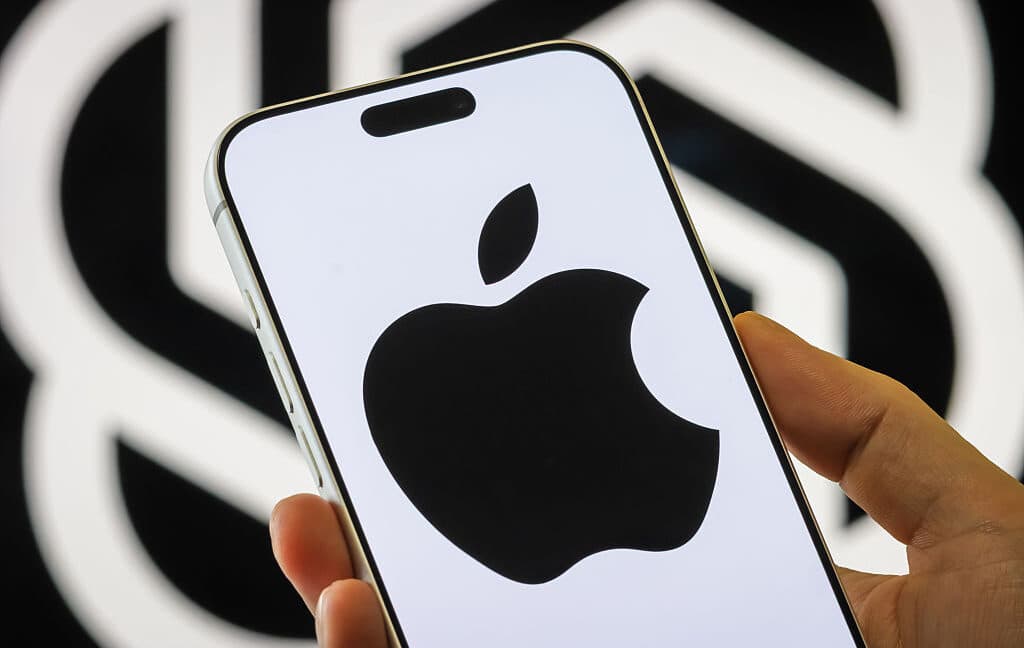
Elon Musk has withdrawn antitrust claims against Apple tied to the company’s integration of ChatGPT, according to a recent court filing, but he is keeping the lawsuit alive against OpenAI. Musk’s filing says he will not revive claims against Apple, while continuing to allege that OpenAI used its deal with Apple to gain a monopolistic position in the chatbot market.
Why It Matters
The development narrows the legal confrontation by removing Apple as a defendant while leaving OpenAI exposed to sustained antitrust allegations, a matter that could affect competition among AI chatbots and firms developing rival systems such as Musk’s SpaceXAI. The settlement with Apple (whether negotiated or otherwise) shifts the spotlight onto how platform partnerships are scrutinized in antitrust claims.
Key Facts
- Initial partnership announcement: Apple announced a ChatGPT integration in 2024.
- Musk’s early reaction: In 2024 Musk criticized the integration, calling it 'creepy spyware'.
- Subsequent lawsuit: Musk filed suit the following year, alleging the Apple-OpenAI deal created a monopoly on AI prompts for Apple users.
- Claims about App Store rankings: Last August Musk alleged Apple’s behavior prevented other AI firms from reaching #1 in the App Store.
- Court filing this week: On Monday Musk filed to resolve all claims against Apple and agreed never to raise those claims again.
Elon Musk has dropped the antitrust claims he brought against Apple over that company’s deal to integrate ChatGPT into iPhone features, according to a recent court filing. Musk had loudly criticized the integration when it was announced in 2024, calling it intrusive, and then sued the following year asserting the arrangement gave Apple and OpenAI unfair control over Apple users’ AI prompts.
Musk’s complaint had escalated after he contended that his chatbot, Grok, was being blocked from reaching the top of Apple’s App Store rankings; last August he said Apple’s conduct made it impossible for any AI company besides OpenAI to hit #1, which he characterized as an antitrust violation. The filing made public on Monday indicates Musk has resolved all claims against Apple and will not raise them again, though the document does not disclose whether the dismissal followed a private settlement or another negotiated outcome.
Despite dropping Apple from the case, Musk is keeping the suit against OpenAI active. He contends OpenAI leveraged its arrangement with Apple—an agreement Apple has emphasized was never exclusive—to try to monopolize the chatbot market. OpenAI has pushed back strongly, dismissing the lawsuit as an attempt to harass the company while Musk’s rival firm, SpaceXAI, works to close the gap.
OpenAI also criticized the factual basis of Musk’s market-foreclosure allegations, noting he has not offered a firm estimate of how much of the chatbot market the Apple deal might exclude and characterizing his own range as wildly uncertain. Musk has reportedly suggested the blocked share could be anywhere from 0 to 55 percent based on informal calculations; OpenAI urged the court to reject such reasoning.
Keep Reading
Why are AI’s biggest companies suddenly asking to slow down?
