Robinhood CEO says issuers should not have veto over tokenized stocks
Robinhood CEO Vlad Tenev said companies should not be able to block tokenized stock products that do not alter shareholder rights, issuer obligations, or the official shareholder ledger. He argued issuer involvement is appropriate only when a tokenized offering changes the underlying shares' rights or imposes new duties on the company or its transfer agent.
Why It Matters
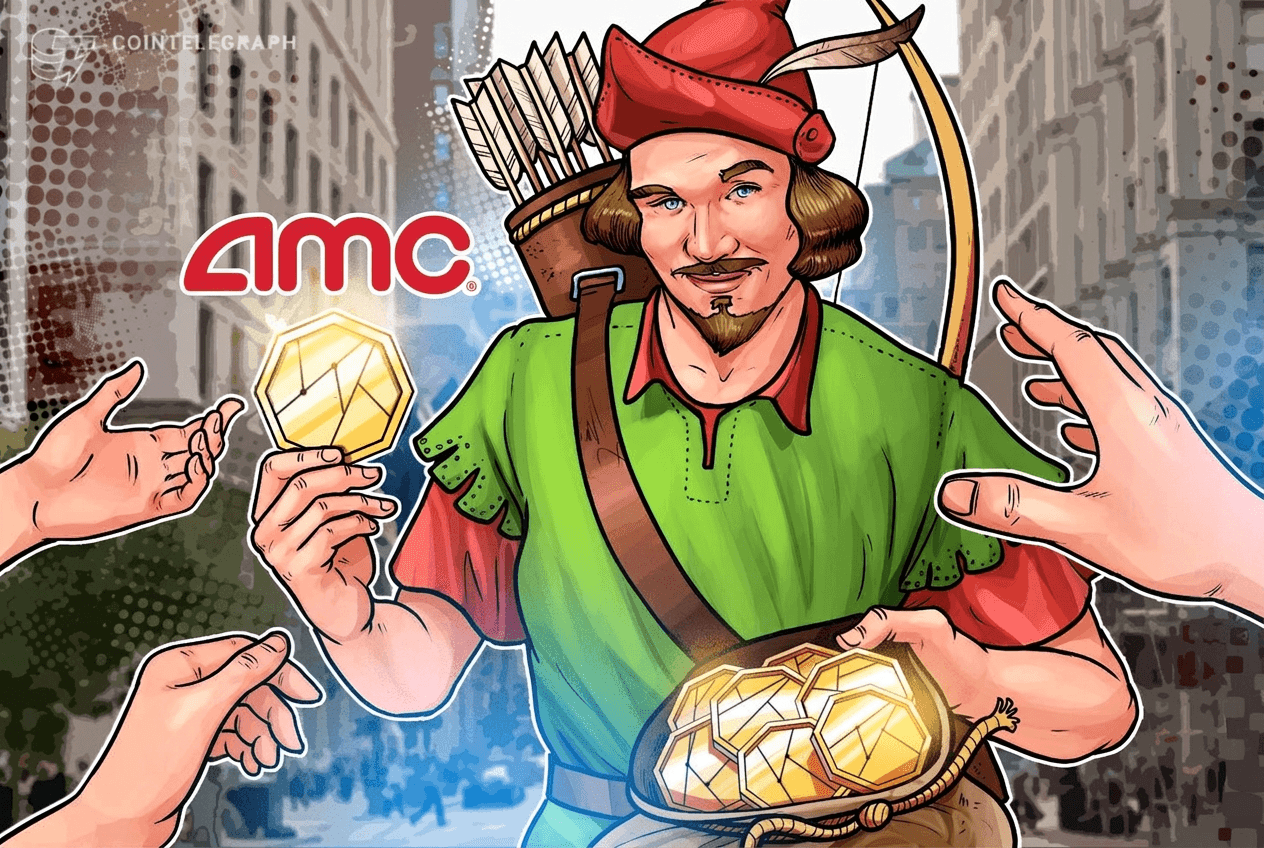
The statement clarifies where Robinhood draws the line on issuer consent for blockchain-based stock products, a central issue after public pushback from issuers such as AMC. The position has implications for how tokenized securities are structured and regulated without affecting corporate governance records.
Key Facts
- Speaker: Vlad Tenev, CEO of Robinhood
- Platform for comments: Post on X (Friday)
- Issuer consent rule: Required only if a tokenized product changes shareholder rights or creates new obligations for the issuer or its transfer agent
- When consent not required: If product is a separate instrument that references or holds freely transferable shares without altering issuer rights, obligations, or shareholder records
- Robinhood product structure: Robinhood Stock Tokens are issued via a third-party structure and are backed 1:1 by underlying shares
Robinhood CEO Vlad Tenev said companies should not have a veto over tokenized stock offerings when those products do not change the rights attached to underlying shares or create obligations for the issuer. In a post on X on Friday, Tenev framed issuer consent as conditional: necessary when a tokenized product alters shareholder rights or imposes new duties on the company or its transfer agent, but unnecessary for separate instruments that merely reference or hold freely transferable shares. Tenev described Robinhood Stock Tokens as third-party instruments issued separately and backed one-for-one by underlying equities. He said these tokens provide economic exposure to stocks and exchange-traded funds while leaving a company’s capitalization table and the rights tied to its shares unchanged. The remarks followed criticism from AMC Entertainment CEO Adam Aron, who on Sept. 4 said the company had no affiliation with Robinhood’s tokenized offerings and would consult securities counsel to review them. Tenev pushed back on the idea that moving an instrument on-chain should grant issuers new veto power, saying, "Going onchain shouldn’t give the issuer a veto it never had offchain." Tenev’s comments draw a line between tokenized products that replicate or reference existing shares and those that would modify corporate or legal relationships. His stance highlights how token design and the involvement of third parties can affect whether issuers are deemed to have a role in approving on-chain representations of equity.
Keep Reading

White House agrees to new ethics language in crypto bill
Crypto’s biggest week ever? Swarm fears prompt AI slowdown: Hodler’s Digest

Quantum-proof blockchain: why math, not machines, holds the key

Is Clarity dead? A vibes-based analysis: State of Crypto
Original source: Cointelegraph