S&P Global brings risk assessments to growing crypto lending vault sector
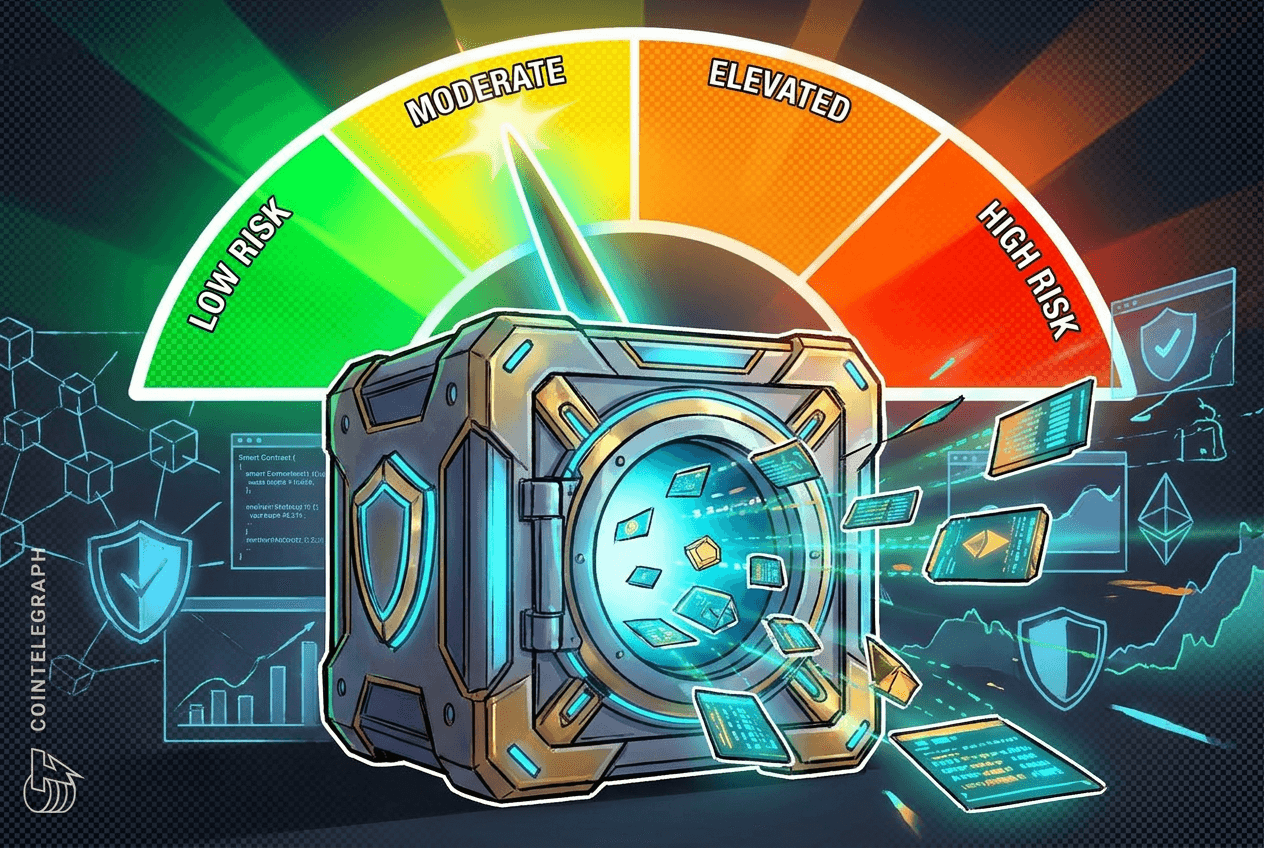
S&P Global Ratings has introduced a Vault Risk Assessment (VRA) framework to evaluate risks in digital asset lending vaults, covering six categories: portfolio credit quality, liquidity mismatch, curator, blockchain, protocol, and vault security and governance. The firm said the assessments will measure potential investor losses but will not be credit ratings or yield evaluations, and it plans to publish the first VRAs in future announcements.
Why It Matters
Deposits in digital asset lending vaults have grown to about $10 billion as of September, up from $1.5 billion two years earlier, increasing the need for standardized risk transparency. S&P’s framework is intended to give market participants clearer risk information as these products expand across exchanges, wallets and DeFi platforms.
Key Facts
- Framework launched by: S&P Global Ratings
- Six assessed risk areas: portfolio credit quality, liquidity mismatch, curator, blockchain, protocol, vault security and governance
- Assessment scope: Evaluate risk of losses to investors; not credit ratings or yield evaluations
- Deposits in vaults: About $10 billion in September (up from $1.5 billion two years earlier)
- Commenting analyst: Lisa Schroeer, S&P Global Ratings
S&P Global Ratings has rolled out a risk assessment framework aimed at digital asset lending vaults, a type of onchain investment product that pools depositor funds and deploys them via predefined strategies managed by smart contracts or human curators. The new Vault Risk Assessment (VRA) examines six discrete risk areas: portfolio credit quality, liquidity mismatch, curator risk, blockchain risk, protocol risk, and vault security and governance risk. S&P said the VRA is intended to assess the potential for investor losses in vaults but will not be issued as credit ratings nor will it evaluate the yields those products generate. Analyst Lisa Schroeer told Cointelegraph the framework is not designed to single out any one category as universally the greatest risk; a significant deficiency in any single factor can constrain the overall assessment, and a strong score in one area does not offset a material weakness in another. The move comes as deposit levels in digital asset lending vaults have risen sharply, according to S&P, reaching roughly $10 billion in September compared with $1.5 billion two years earlier. The vault model has been adopted by exchanges, wallets and DeFi platforms, with recent launches including self-custodial vaults in Telegram, a Bitcoin yield vault from Kraken, and tokenized securities vaults for ETFs that lend assets through DeFi markets. S&P said it plans to publish its first Vault Risk Assessments in future announcements but did not name which vaults will be evaluated initially. The firm framed the assessments as a tool to improve transparency and help entities make more informed capital allocation decisions when considering exposure to DeFi vaults. The sector has faced real incidents of loss, such as an estimated $8.5 million exploit of Term Finance’s Meta Vaults in August, and remains under regulatory scrutiny in the U.S. where officials have warned some vaults could fall under federal securities laws depending on structure and operations.
Keep Reading

Metaplanet reveals net income strategy to fuel Bitcoin accumulation
Bitcoin Just Flashed a Second, Stronger Golden Cross: Here's What That Means

CFTC Unveils Plan to Bring Crypto Exchanges Under Federal Oversight