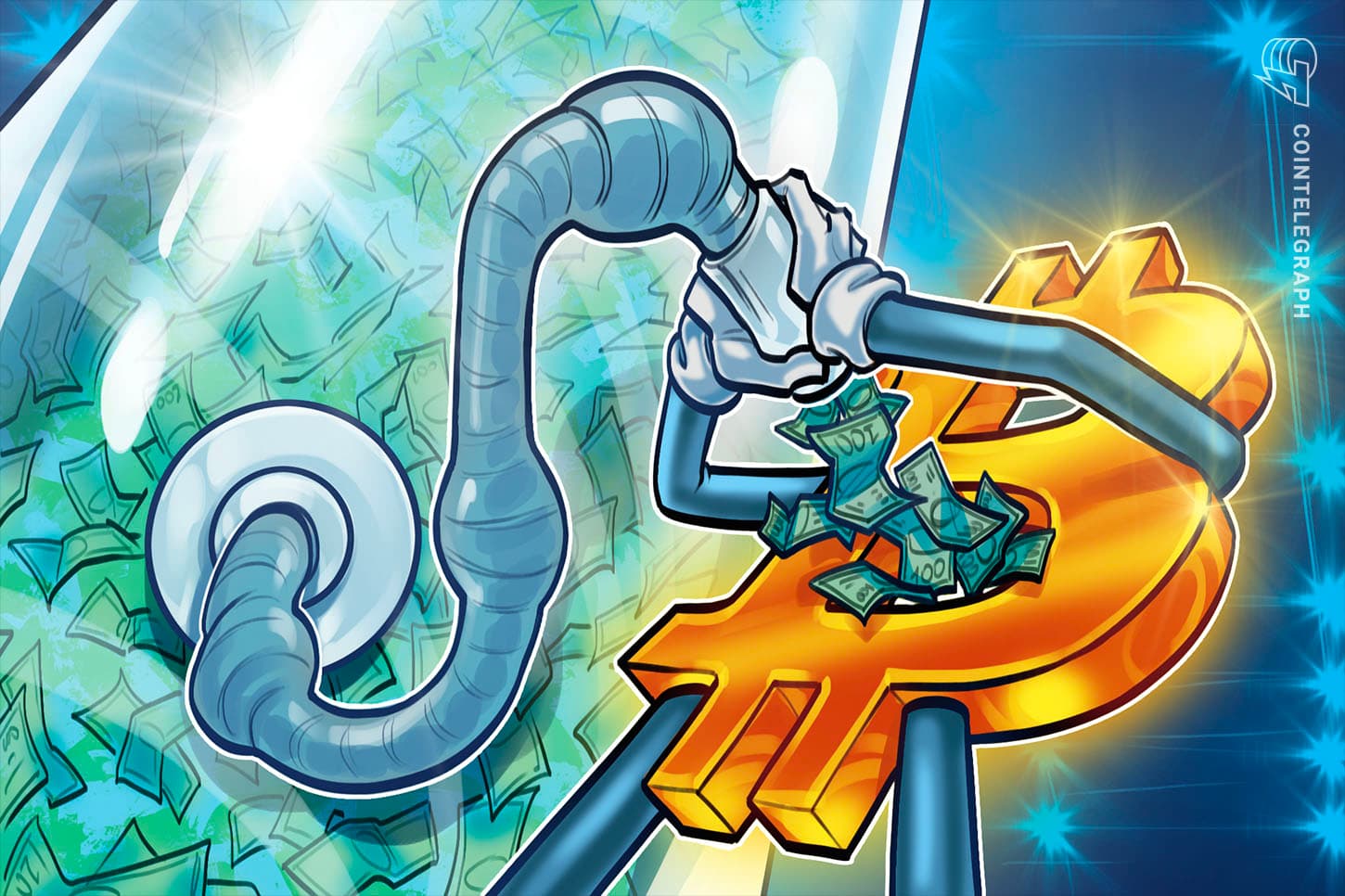
Synthetic tokenized stocks are bad for American investors
Aaron Kaplan, founder of Promethum, argues that blockchain-based synthetic tokenized stocks — debt instruments that track U.S. equities without granting ownership of underlying shares — harm American investors and the U.S. capital markets model. He contrasts these 'wrappers' with tokenized digital twins that represent actual custodial ownership of shares and says the SEC's new innovation exemption excludes synthetic tokens in favor of real-ownership models.

Why It Matters
Kaplan frames the issue as a fight over who captures global demand for U.S. equity exposure: offshore issuers offering synthetic wrappers or U.S.-centric infrastructure that preserves full shareholder rights. The outcome affects how international capital flows into American companies and whether trading activity deepens U.S. public markets or gets diverted offshore.
Key Facts
- Author: Aaron Kaplan, founder of Promethum
- Publication date: Oct 1, 2026
- Contested firms: AMC CEO Adam Aron and Robinhood CEO Vlad Tenev
- Product type criticized: Synthetic tokenized stocks (called 'wrappers') — debt securities that track stock prices without granting share ownership
- SEC action: Sept. 17 innovation exemption excludes synthetic tokens; qualifying tokens must provide the same rights as traditional securities
Aaron Kaplan, founder of Promethum, warns that synthetic tokenized stocks—offshore-issued debt instruments that mirror the price of U.S. shares but do not convey ownership of those shares—undermine trust in American markets and siphon value away from U.S. investors. He cites a public dispute between AMC’s CEO Adam Aron, who accused Robinhood of tokenizing AMC shares without consent, and Robinhood CEO Vlad Tenev, who defended the practice as meeting international demand for U.S. equity exposure. Kaplan lays out how wrappers work: an issuer purchases U.S. shares as collateral and then issues tradable tokens offshore that change hands without touching U.S. exchanges or the companies’ official share registers. He argues this structure captures trading volumes, liquidity and fees that would otherwise benefit U.S. markets, and therefore can distort measured demand and the effective capitalization of tokenized companies. Kaplan references a Citi projection that the synthetic token market could reach $2.7 trillion by 2030 and notes nearly 200 U.S. companies have already been tokenized in this fashion. As a regulatory counterpoint, Kaplan points to the SEC’s Sept. 17 innovation exemption, which he says excludes synthetic tokens and requires qualifying tokenized securities to deliver the same rights and privileges as traditional shares, including dividends and voting. The exemption also includes a mechanism to notify companies and give them the right to object before a third party tokenizes their stock, addressing concerns raised by AMC’s CEO. Kaplan advocates an alternative: tokenization that creates a digital twin of a custodial security held within existing U.S. infrastructure. He highlights a DTCC tokenization service planned for launch this year that would keep tokenized assets within the national clearing and settlement system, so a foreign buyer acquiring a token on a licensed venue would be buying the underlying share. In Kaplan’s view, this model preserves shareholder rights, deepens U.S. market liquidity, and channels new global capital directly to American companies.
Keep Reading

Furious debate about THORChain vs NEAR shows idealism has limits
‘Euro stablecoin isn’t enough’: EU issuers make case for USD tokens
Bitcoin briefly hits $87K as weak US jobs data sends bond yields lower