The Next Bull Run Could Be One Big Airdrop Away
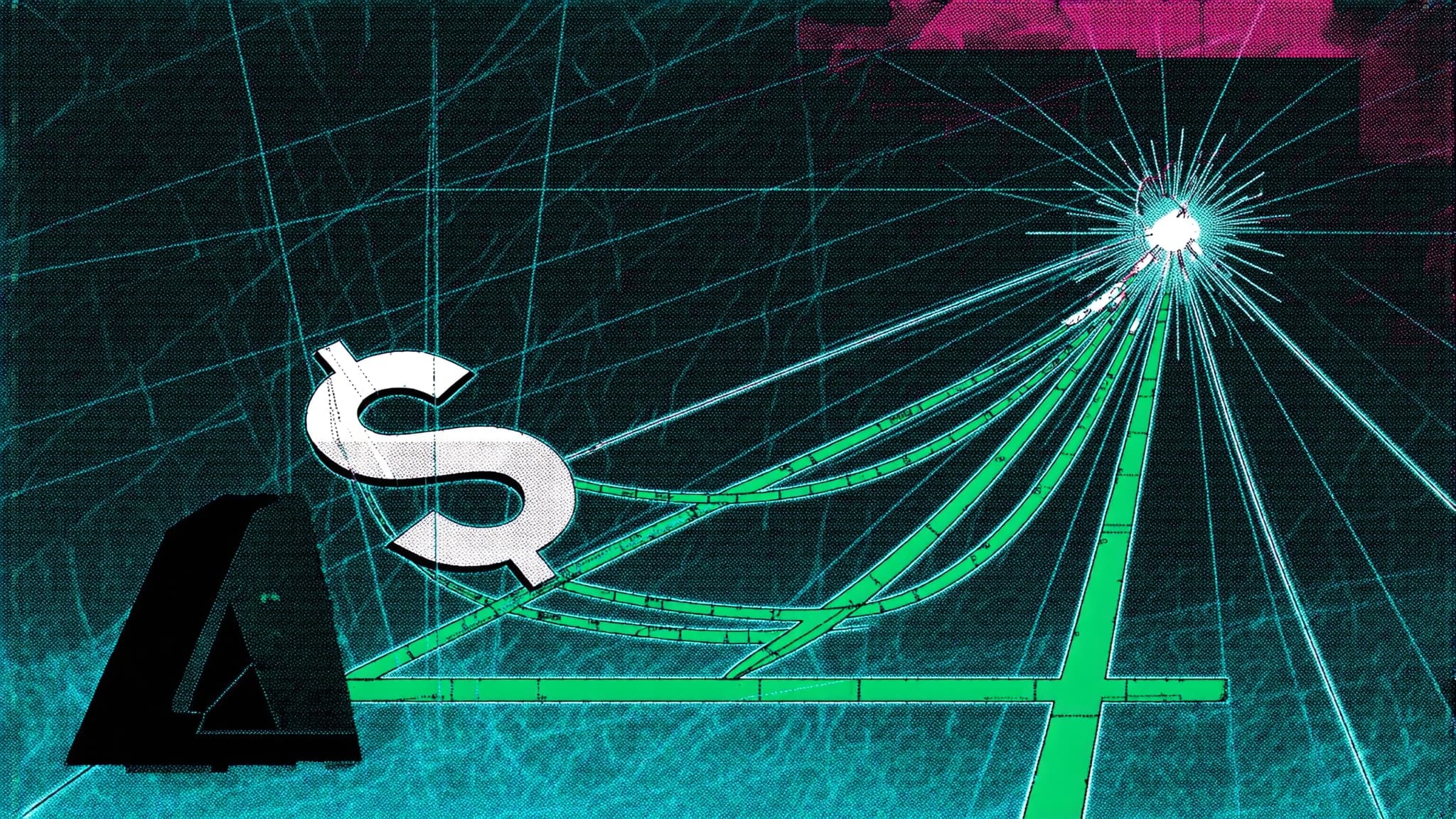
Large token airdrops have repeatedly reshaped crypto market dynamics, sometimes presaging rallies and other times coinciding with cycle tops. Historical examples — from Uniswap's 2020 UNI drop to more recent Jito and Hyperliquid distributions — show that free token distributions can create large groups of marginal buyers and concentrate attention on specific chains or protocols.
Why It Matters
Airdrops can inject concentrated buying power and attention into thin, post-bottom markets, amplifying rebounds when macro liquidity arrives; their timing relative to cycle phases therefore matters for whether they spark sustained rallies or mark peaks. Given ongoing policy pressures and several high-profile token launches in the pipeline, the next major airdrop could meaningfully influence the coming market phase.
Key Facts
- Uniswap airdrop: September 2020 — 400 UNI distributed to users (about $1,200 at the time); roughly $450 million valuation at launch
- Market cap after UNI: Total crypto market capitalization rose from ~$350 billion to ~$3 trillion within 14 months after the UNI airdrop
- DeFi TVL after UNI: Total value locked in DeFi rose from ~$10 billion to nearly $180 billion in the same period
- Jito airdrop: December 2023 — JTO airdrop coincided with a spike in SOL activity
- Hyperliquid HYPE drop: November 2024 — distributed 31% of supply; launch was worth roughly $1.2 billion and reportedly seeded an ecosystem valued at >$15 billion within a year with a fee-funded buyback
Crypto markets have shown that large airdrops can act like targeted stimulus for on-chain economies: recipients either sell, recycle the proceeds into other tokens, or hold and attract more users. The 2020 Uniswap (UNI) distribution — which sent 400 UNI to qualifying addresses and was valued at about $450 million at launch — preceded a period in which total crypto market capitalization climbed from roughly $350 billion to about $3 trillion and DeFi TVL expanded from $10 billion to nearly $180 billion.
Not every airdrop produces a multi-year bull run, and causation is hard to prove. Broader forces such as global monetary stimulus did much of the heavy lifting in the 2020–21 cycle. Still, airdrops create thousands of marginal buyers with what amounts to “house money” on a single day, a setup that can move prices inside the thin, apathetic basing ranges that follow market bottoms. Even when recipients quickly sell their tokens, the proceeds often flow back into other crypto assets, recycling liquidity across the market.
Recent drops illustrate different outcomes. The Jito (JTO) distribution in December 2023 coincided with renewed inflows and activity on Solana, while Hyperliquid’s HYPE genesis drop in November 2024 distributed 31% of supply and — aided by a fee-funded buyback that provided continual support — avoided an instant dump. HYPE’s launch was worth roughly $1.2 billion and, according to reporting, helped grow an ecosystem worth more than $15 billion within a year. Across cycles, the author notes eleven airdrops since UNI that each represented roughly $500 million or more at launch; those that arrived before rallies tended to land with runway, while those launched at or after peaks generally faded.
The timing question is now central as Bitcoin and macro conditions evolve. Bitcoin peaked at $126,210 on Oct. 6, 2025, plunged about 52% to near $60,000 in early February, and was trading near $76,000 at the time of the article—roughly 40% below the high. Analysts split on whether the February low was the true bottom or a mid-cycle fakeout; past cycles saw final lows about 12–13 months after the top, a window that would place a potential final low in Q4 2026. Meanwhile, macro pressure from rising U.S. interest costs is prompting fiscal responses: the U.S. paid $963 billion in net interest in the first ten months of the fiscal year, 30-year yields are at two-decade highs above 5%, and Treasury buybacks were doubled to $4 billion per operation in August.
Against that backdrop, a slate of token launches and rumored drops could provide a spark if macro liquidity loosens. Some projects like OpenSea’s SEA and MetaMask’s MASK have been delayed or shelved, while Polymarket’s POLY is confirmed and its U.S. relaunch and CFTC registration are complete. The piece also highlights Circle’s ARC chain token presale of $222 million at a $3 billion valuation and notes an ICE $2 billion investment tied to Polymarket as potential influencers of future token distribution strategies. If a major airdrop arrives at the right point in the cycle, it could amplify flows and attention enough to help propel the next sustained rally.
Keep Reading

US lawmakers advance bill to lock Trump’s Bitcoin reserve into law

Bitcoin absorbs Fed rate hike as officials see more tightening

BitMEX faces Celsius lawsuit ahead of exchange closure
Bitcoin Round-Trips the First Fed Rate Increase Since 2023 as Zcash Runs to $1,383
Original source: The Defiant