The Pope Has Thoughts on AI Art—And They're Not Flattering
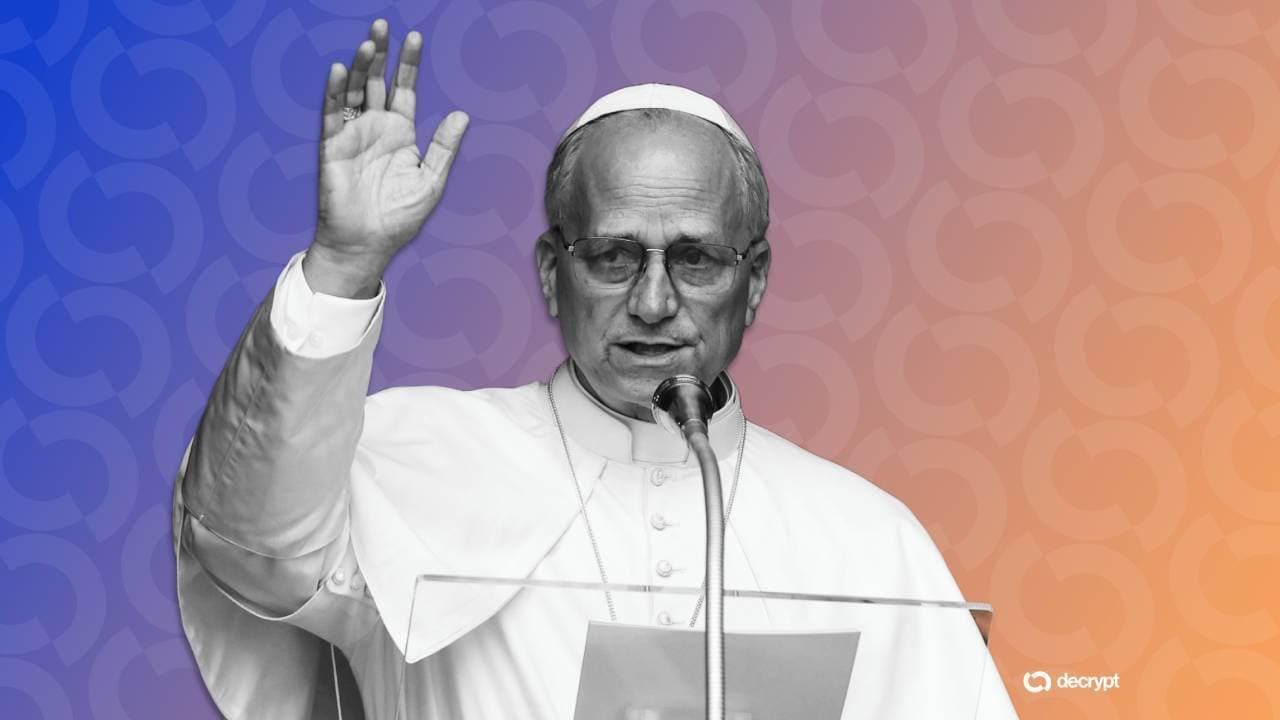
Pope Leo XIV said in a post on X on Oct. 2 that there is an "ontological difference" between human-made art and images produced by algorithms, arguing that AI creations "lack the spark of humanity." The Vatican is seeking to renew partnerships with artists and cultural institutions to help "safeguard our humanity," continuing a sustained Vatican focus on the ethical challenges of artificial intelligence.
Why It Matters
The pope's remarks follow a series of Vatican actions treating AI as a moral and social issue, including a May encyclical and a newly formed Vatican AI commission, and they add moral weight to ongoing legal, cultural and commercial debates about AI-generated content and authorship.
Key Facts
- Date of X post: Oct. 2
- Pope's claim: "There is an ontological difference" between human art and machine-generated images
- Reason given: Algorithms operate by "statistical calculation" on millions of images created by others
- Vatican action in May: Published encyclical Magnifica Humanitas on protecting people in the age of AI
- Vatican AI commission: Set up in May spanning seven Vatican bodies to coordinate AI policy
Pope Leo XIV used a post on X on Oct. 2 to draw a clear distinction between art made by humans and images generated by artificial intelligence, saying the latter lack "the spark of humanity." He framed the difference as ontological—about what the works fundamentally are—rather than merely aesthetic, noting that machines produce images through statistical calculations trained on millions of existing pictures. The pope said the Church intends to renew collaborations with artists and cultural institutions to "safeguard our humanity."
The comments fit into a broader Vatican effort to engage with AI governance and ethics. In May the pope issued an encyclical titled Magnifica Humanitas, arguing that technology is not neutral and that data should be treated as a common good. That same month the Holy See established an AI commission composed of seven Vatican bodies to coordinate internal policies and the Church’s broader approach to artificial intelligence.
Leo XIV reiterated concerns about unconstrained technology in a Sept. 25 speech in Paris, where he told French officials that science and technology without guidance from conscience can lead people away from the good. His Oct. 2 post follows these prior statements and continues the Vatican’s attempt to shape debates over the role of AI in culture and society.
The pope’s critique also intersects with practical and legal disputes about AI content. The report notes instances of AI-detection tools flagging material associated with his account in April, and references broader questions about authorship: in March the U.S. Supreme Court declined to review Thaler v. Perlmutter, leaving in place a ruling that copyright requires a human author. Separately, cultural responses include platforms and communities pushing back on AI-generated art—Cara, an image platform that excludes AI images, had nearly 900,000 users by June 2024—and even lexical reactions, with Merriam-Webster naming "AI slop" its 2025 word of the year.
Keep Reading

An OpenAI safety employee has quit and is sounding the alarm
OpenAI Banned PewDiePie Twice While He Built Ajax, an Uncensored AI That Will Run on Your PC

Cathie Wood says smart investors need to start watching where AI agents spend money
