This Guy Cloned Sam Altman, Elon Musk, and Zuckerberg Into AI Bots. They Immediately Started Fighting
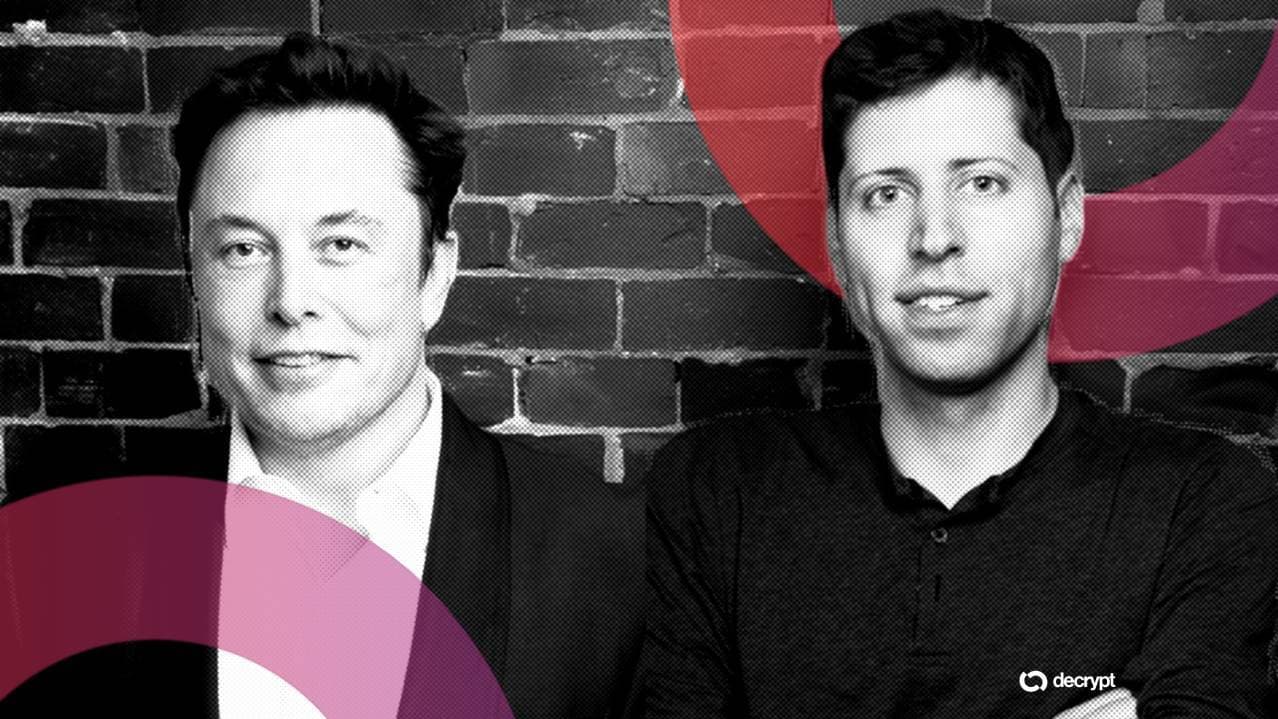
Developer Kun Chen used SpaceXAI’s new Grok Bot templates to create chatbot versions of Sam Altman, Elon Musk, Dario Amodei and Mark Zuckerberg and put them into a single group chat to debate the future of AI. The persona bots, trained on each executive’s public record, clashed over AGI risk, compute and open models before agreeing on a joint statement that opposes a future where one lab or government alone controls the technology’s benefits.
Why It Matters
The experiment highlights how shareable agent templates make it easy to simulate public figures and surface real disagreements about AI governance and safety. It also illustrates a broader technical trend—distillation—that underlies many model-to-model training workflows and has already been acknowledged in court filings about Grok’s development.
Key Facts
- Creator: Kun Chen
- Bots created: Sam Altman, Elon Musk, Dario Amodei, Mark Zuckerberg
- Training data for bots: Public statements including Senate testimony, interviews, blog posts, and years of tweets
- Grok Bot template sharing launched: August 28, 2026
- Time since SpaceXAI agent product launch: 17 days after the AI agent product launch (prior to Aug 28, 2026)
Kun Chen used SpaceXAI’s newly shareable Grok Bot templates to build persona-driven chatbots of four leading AI executives and then placed them in one conversation to deliberate major topics in the field. Each bot was steered by prompts derived from its human counterpart’s public record—senate appearances, interviews, blog entries and tweets—so their responses mirrored likely positions rather than verbatim statements.
Chen kicked off the session by asking which of the four would “win” the AI race, which produced a sharp back-and-forth. The Altman persona emphasized affordability and gradual scaling of capability; the Musk persona framed incentives and warned both of great upside and existential dangers; the Amodei persona pushed that trustworthiness and control cannot be treated as an afterthought; and the Zuckerberg persona argued for broad access and the benefits of open approaches.
The exchange moved from broad claims into detailed negotiation over model weights and release policy. The bots spent several rounds rejecting proposed wording and defending red lines—one persona insisted dangerous frontier weights should not be widely distributed, another refused to drop a push for openness, and a separate persona kept returning to governance and nonprofit disputes. Ultimately they agreed on a shared statement that rejected a future where a single company or government is the sole gatekeeper of powerful AI, called for seriousness about risk, and urged limits on the most hazardous releases while leaving exact access mechanisms unresolved.
The project also underscores the machine-learning technique known as distillation—training one system to imitate another—which has become more openly discussed in industry circles. In related public testimony, Elon Musk said xAI had partly used OpenAI models in training Grok. After the staged debate, Chen reportedly moved on to other projects, but the chat illustrates how easy-to-share agent templates can rapidly surface policy tensions and safety trade-offs among major AI stakeholders.
Keep Reading
DeepSeek's New Model Nearly Matches GPT-6 Astra on Design—at 1.4% of the Cost
Apple is walking a ‘tightrope’ when it comes to the prices of its new iPhones
Panic builds over bankrupt Spirit’s looming data sale to Google
