US arrests tech CEO accused of smuggling $300M in Nvidia chips into China
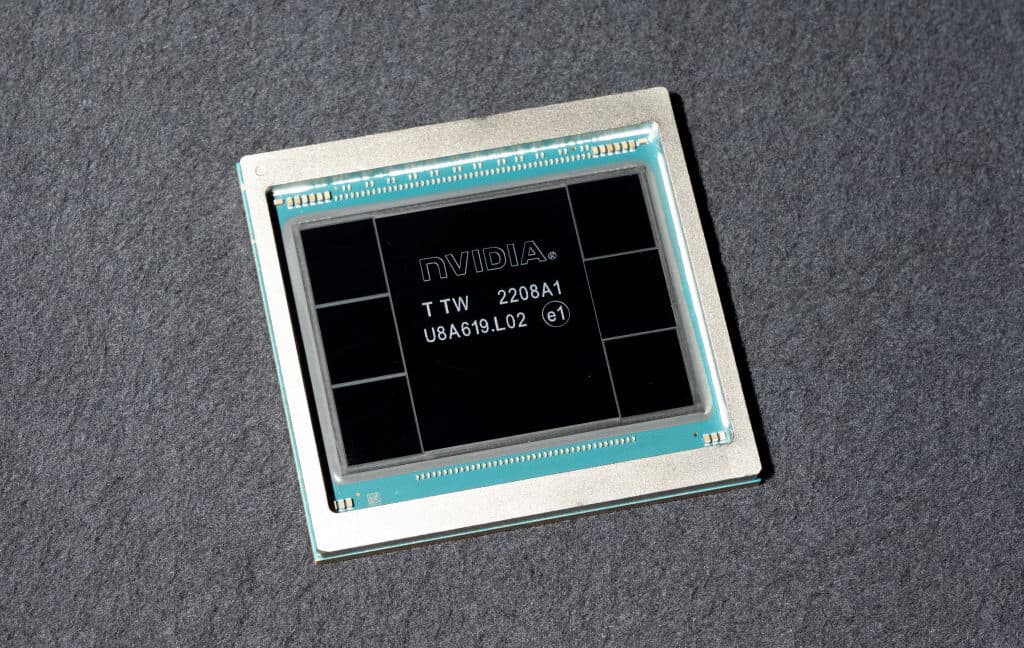
U.S. authorities arrested 38-year-old Greg Lui, CEO of Earthmade Computer, accusing him of using false paperwork and freight-forwarding networks to ship more than $300 million worth of Nvidia-equipped servers into China. The Department of Justice says the scheme ran from October 2023 until August 2026 and involved export-controlled A100 and H100 GPUs routed through countries such as Malaysia and Singapore.
Why It Matters
If true, the alleged smuggling undermines U.S. export controls intended to limit advanced AI-capable hardware reaching China and raises questions about industry compliance and supply-chain oversight for firms like Nvidia. The case is part of a broader series of investigations suggesting a significant black market for American AI chips.
Key Facts
- Defendant: Greg Lui, 38, CEO of Earthmade Computer
- Alleged scheme value: Shipments worth more than $300 million
- Chips involved: Nvidia A100 and H100 GPUs (export-controlled)
- Timeframe: October 2023 to August 2026
- Reported receipts in 2024: $176 million received by Lui’s firm
The U.S. Department of Justice says it has arrested Greg Lui, a 38-year-old CEO accused of orchestrating a multi-million-dollar export-evasion operation that funneled Nvidia-equipped servers into China. According to the DOJ press release, Lui allegedly used falsified paperwork and a network of freight forwarders in Southeast Asia to disguise shipments of export-controlled hardware, including Nvidia A100 and H100 GPUs, which U.S. authorities say could be used to train large AI models.
Federal prosecutors allege the scheme began in October 2023 and continued through August 2026. The indictment cites emails and banking records as evidence, describing specific shipments such as an order for 70 servers that were falsely declared as bound for Malaysia, and a purchase order for 27 of those servers totaling approximately $7,614,000. Another instance allegedly routed 92 export-controlled servers through Singapore to Malaysia and then to Hong Kong before they reached a firm in Hangzhou.
The DOJ also alleges Lui submitted fraudulent documentation identifying a fake buyer to export 100 Malaysian-bound servers containing H100 GPUs, and that in 2024 his company received over $176 million from the scheme. Authorities say they will seek forfeiture of proceeds; Lui faces three counts, including conspiring to violate the Export Control Reform Act and the Export Administration Regulations, federal smuggling, and money-laundering charges. If convicted, he could face up to 20 years for the conspiracy or money-laundering counts and up to 10 years on the smuggling charge.
The arrest comes amid heightened scrutiny of Nvidia and broader industry compliance after other arrests and a Bloomberg investigation suggesting sizable diversion of U.S. AI chips into China. Nvidia has said only a tiny fraction of its products — "less than one half of one percent" — have allegedly been diverted, while U.S. officials and experts warn the clandestine market is difficult to measure and may be substantially larger. Governments are pressing suppliers to tighten export controls and flag suspicious transactions to prevent further shipments to parties that could advance Chinese AI and military capabilities.
Keep Reading

Meta wants your next gadget to be Muse-infused
Amazon’s $1B plan to combat data center backlash draws more backlash
Apple changes full-disk access permissions to curb abuse from AI agents
