US Police Fear Meta Glasses Are Watching Them Back: Report
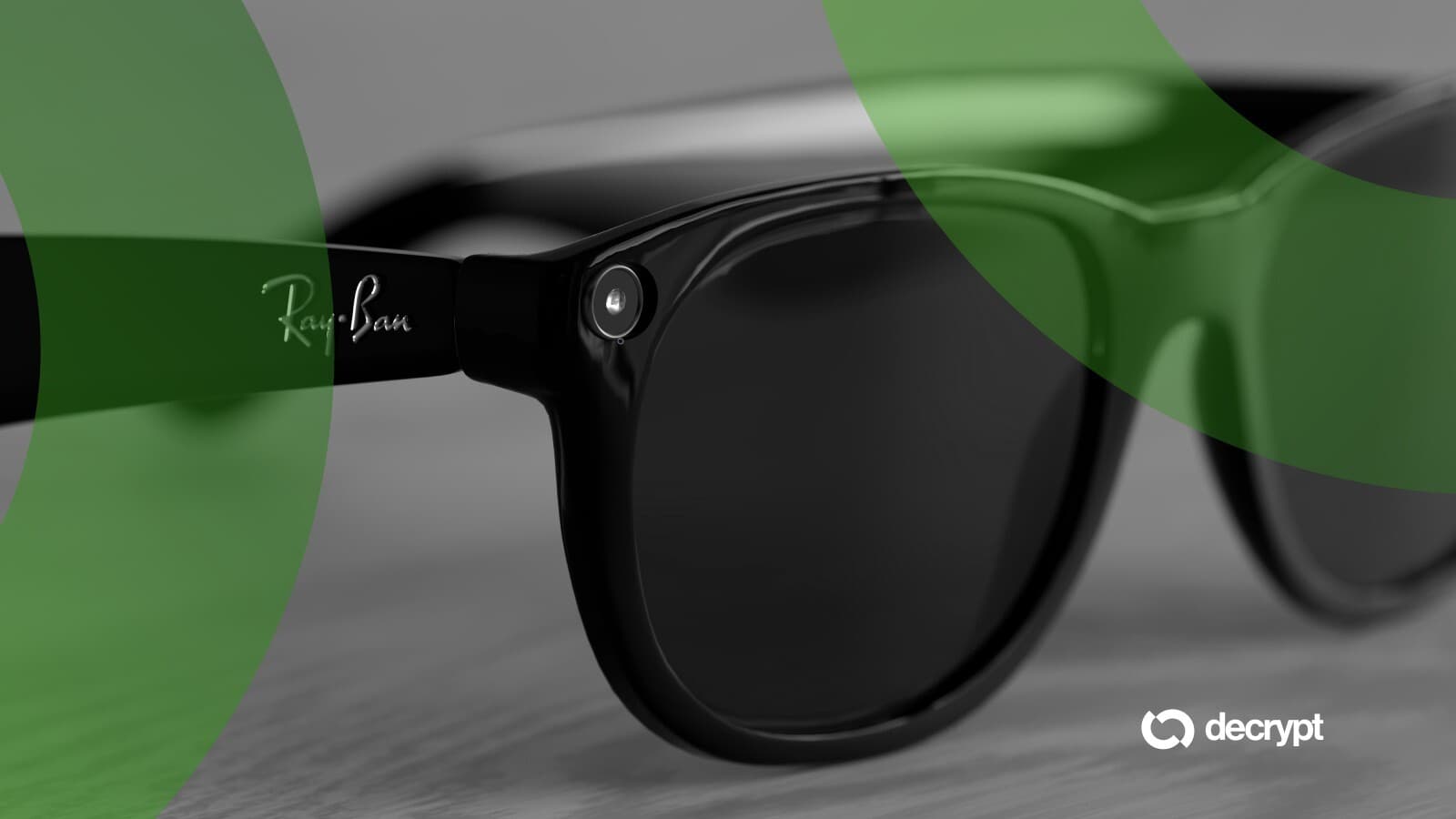
Law-enforcement memos obtained under freedom-of-information requests warn that Meta's camera-equipped Ray-Ban glasses are being used to film inside jails and police facilities, potentially exposing security details. The documents, circulated by agencies including the NYPD and federal fusion centers, prompted some agencies to restrict the devices in secure workspaces.
Why It Matters
If wearable cameras can covertly record inside detention centers and police facilities, they may reveal sensitive information about layouts, surveillance placements and officer routines, raising operational and privacy concerns for both law enforcement and the public.
Key Facts
- Source of memos: Documents obtained by Property of the People and reported by the Guardian
- NYPD action: A January memo from the NYPD counterterrorism bureau described Ray-Ban Meta glasses as a security and counterintelligence threat and instructed officers to inspect eyewear allowed into inmate cells
- Recorded risks cited: Memos warned covert recording could expose cell layouts, camera placements, or officer patrol/site protection routines
- TikTok evidence: One cited video, posted to TikTok in July 2025, showed the interior of a South Carolina detention center under federal investigation
- Other agencies issuing memos: Department of Homeland Security joint counterterrorism assessment team and fusion centers in New York, Maine, Virginia, Tennessee and San Diego issued similar warnings or guidance
Law-enforcement agencies across the United States have circulated internal warnings about the security risks posed by Meta’s camera-equipped Ray-Ban glasses, according to a batch of previously unreported memos obtained via freedom-of-information requests and reported by the Guardian. The documents, collected by the transparency group Property of the People, alert officers that the eyewear can be used to record inside jails and other police facilities.
A January memo from the New York Police Department’s counterterrorism bureau labeled the glasses a ‘‘security and counterintelligence’’ concern and advised officers to inspect any eyewear brought into inmate cells. The memo said covert recordings could reveal sensitive operational details such as cell layouts, the placement of cameras and officer patrol patterns. It cited video evidence, including a July 2025 TikTok clip that shows the interior of a South Carolina detention facility then under federal investigation.
Similar advisories have been issued by the Department of Homeland Security’s joint counterterrorism assessment team and by regional fusion centers in New York, Maine, Virginia, Tennessee and San Diego. Maine’s alert specifically flagged the possibility that some smart glasses could be used with AI-based facial recognition, which the center said could enable the doxing of officers. At the federal level, U.S. Immigration and Customs Enforcement told staff in August that smart glasses are to be treated as body-worn cameras and banned them from federal workspaces because they might unintentionally capture or transmit sensitive information.
Meta responded by saying the glasses are intended to be noticeable and pointed to a recording indicator light, but the memos and cited videos suggest that the devices do not always draw attention. The company has also faced broader scrutiny this year over instances of covert filming, contractor access to intimate footage, and its reported plans to add facial-recognition capabilities, all of which have fed the concerns expressed in the law-enforcement guidance.
Keep Reading

Mistral raises €3B as sovereign AI becomes big business

Chrome is now shipping updates every 2 weeks as AI changes the security landscape

Prize-winning mathematician launches AI safety institute
