Why Trump Backed Tougher Ethics Rules in Clarity Act, and Why the Crypto Industry Thinks It Can Pass
Senate Republicans unveiled a revised version of the Clarity Act on Sunday as a so-called "last, best and final offer" ahead of a procedural cloture vote on Tuesday that requires 60 senators to advance. The package includes tougher ethics provisions endorsed by former President Donald Trump, concessions on DeFi and stablecoin language, and changes to the Blockchain Regulatory Certainty Act, but it remains uncertain whether enough Democrats will cross the aisle to reach the 60-vote threshold.
Why It Matters
The bill attempts to resolve the long-standing impasse over conflicts of interest tied to senior officials' crypto holdings while setting federal rules for digital-asset developers, stablecoins and enforcement — outcomes that would shape U.S. leadership in digital assets and legal risks for industry participants.
Key Facts
- Timing: Revised Clarity Act released Sunday ahead of Tuesday cloture vote requiring 60 votes
- Democratic crossovers needed: At least seven Democrats must vote with Republicans, potentially more if GOP defections occur
- Ethics changes: New text requires divestment or qualified blind trusts, allows state attorneys general enforcement, expands covered officials and removes a sunset date
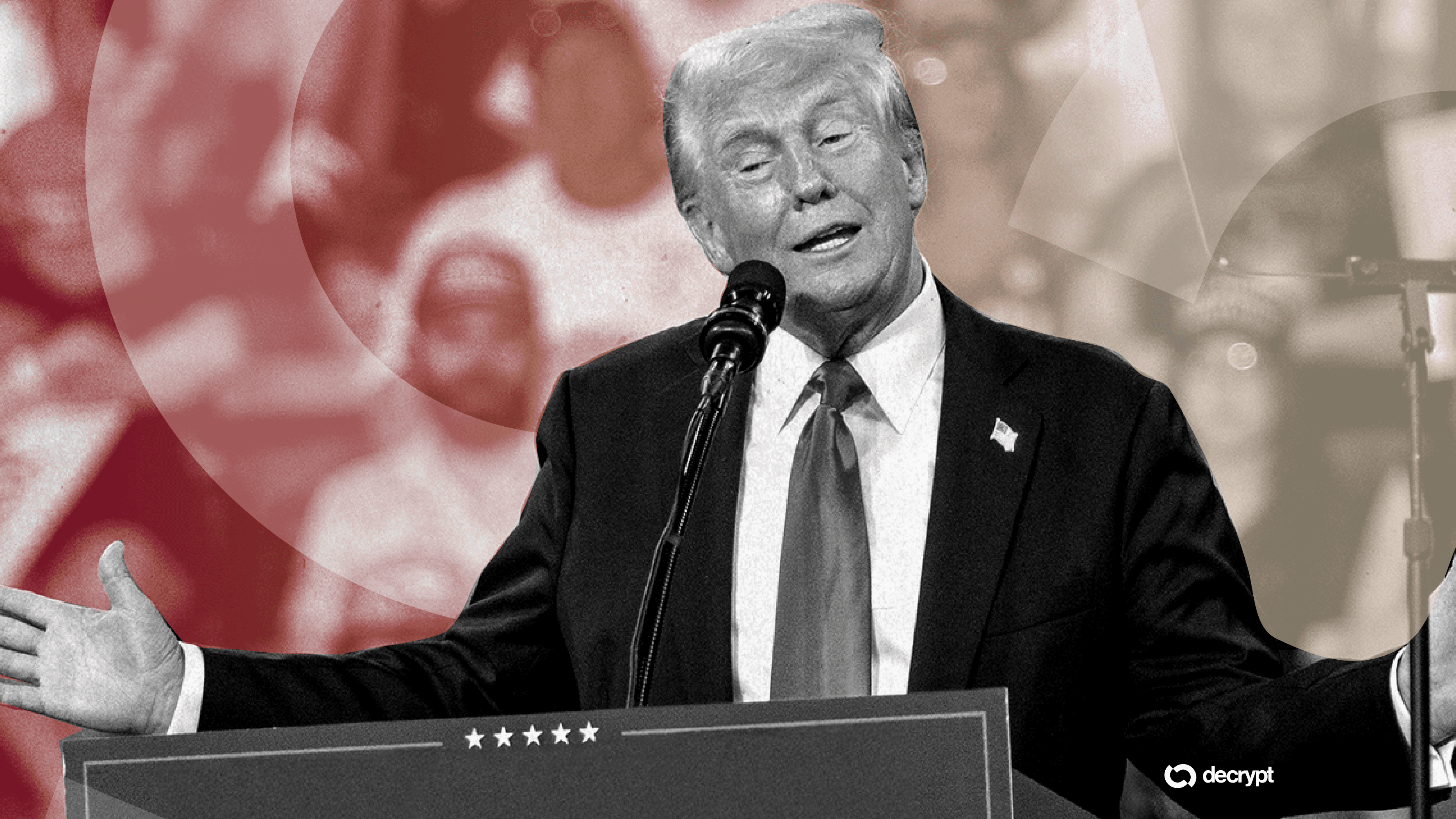
- Trump sign-off: President Donald Trump approved stronger ethics language he had earlier resisted
- Trump crypto income reported: He reported more than $1.4 billion from family crypto ventures and roughly $635 million from the TRUMP meme coin last year
Senate Republicans circulated an updated Clarity Act late Sunday in a last attempt to win Democratic support before a procedural vote on Tuesday that needs 60 senators to proceed. Republicans described the package as their final offer and said it incorporates many Democratic requests; Democrats held caucus-level discussions Sunday but had not formally engaged the new text as of its release. Because cloture requires a supermajority, GOP leaders will need multiple Democrats to break ranks to advance the bill. A central development was the inclusion of stronger ethics restrictions that President Trump accepted after earlier pushback. The revised language would compel covered officials to divest certain digital-asset holdings or place them into qualified blind trusts, broaden the definition of covered officials to include some elected-but-not-yet-sworn individuals and their spouses, allow state attorneys general to enforce the prohibitions, and eliminate a previously proposed sunset date. Sources involved in negotiations said discussions with White House advisers and industry outreach during August helped shift the president's stance; reporting also notes that forced divestment could create tax-deferral opportunities for assets sold. On technical and market-facing issues, Republicans made concessions and adjustments to win broader support. The updated Blockchain Regulatory Certainty Act retains civil protections aimed at software developers and noncustodial providers who do not handle customer funds, but it removes explicit protections from criminal prosecution under Section 1960 — a change that industry advocates called a setback. The package also added language on stablecoins, including a so-called "circuit breaker," and addressed disputes over stablecoin yield and agriculture-related provisions that had been sticking points during negotiations. Early reaction from the crypto industry skewed cautiously optimistic. Some market observers said the revisions improve the bill's chances; Galaxy Digital's head of research, Alex Thorn, said he raised his odds of passage for 2026 from 10% to 25%. Still, industry participants and lawmakers noted the legislative calendar and the need for bipartisan defections make success uncertain, and Democrats had yet to signal whether enough of their members would support the proposal on Tuesday.
Keep Reading

Even if Clarity fails, Wall Street’s crypto push is unlikely to stop

Bitcoin slips to $77,800 as Senate Clarity Act vote nears and oil prices climb

U.S. House panel shares crypto tax bill ahead of hearing later this week

Solana transactions just got more than 3 times bigger, narrowing the gap with Ethereum
Original source: Decrypt