XPRIZE Wildfire winners spotted fires within 10 min—but couldn’t stop them
The XPRIZE Wildfire competition awarded finalist prizes across two tracks—space-based detection and autonomous response—after tests in Australia and Alaska showed rapid fire spotting but failed to produce systems that could fully suppress fires within required timeframes. While several teams earned monetary awards for promising detection and response technologies, no entrant claimed either grand prize of the $11 million contest.
Why It Matters
The results highlight that detecting wildfires quickly is becoming technically feasible using satellites and AI, but translating rapid detection into autonomous firefighting capable of extinguishing high-risk blazes remains an unsolved operational challenge. As wildfire frequency and costs rise, gaps between early detection and effective suppression could limit the practical benefits of new technologies.
Key Facts
- Competition total purse: $11 million
- Tracks: First Prize - space-based detection; Autonomous Response Prize - autonomous fire detection and suppression
- Time requirement for detection/suppression: 10 minutes
- Space-based detection finalists: 45 qualified technical submissions
- Autonomous Response initial interest: More than 300 teams entered early stages
XPRIZE Wildfire ran two parallel challenges testing technology for rapid wildfire detection from space and autonomous firefighting response on the ground. The space track required teams to detect all fires across a large area of Australia within 10 minutes, while the Autonomous Response track tasked teams with autonomously finding and extinguishing a high-risk fire in rural Alaska within the same time window, ignoring decoy blazes.
Finalists in the space-based track were evaluated at the New South Wales Rural Fire Service in April 2026. Although no team met the conditions for the $3.5 million grand prize funded by the Minderoo Foundation, the competition awarded $500,000 to SIRIUS Wildfire Alliance of the UK for its system that integrates optical and radar satellite data to identify and model fire spread. Arizona-based Team Snuffed received $250,000 for a detection approach described as transparent and uncertainty-aware, and three teams—MyRadar (Florida), DeepFire (Louisiana), and Mayday.AI (Germany)—each earned $100,000 special recognition prizes.
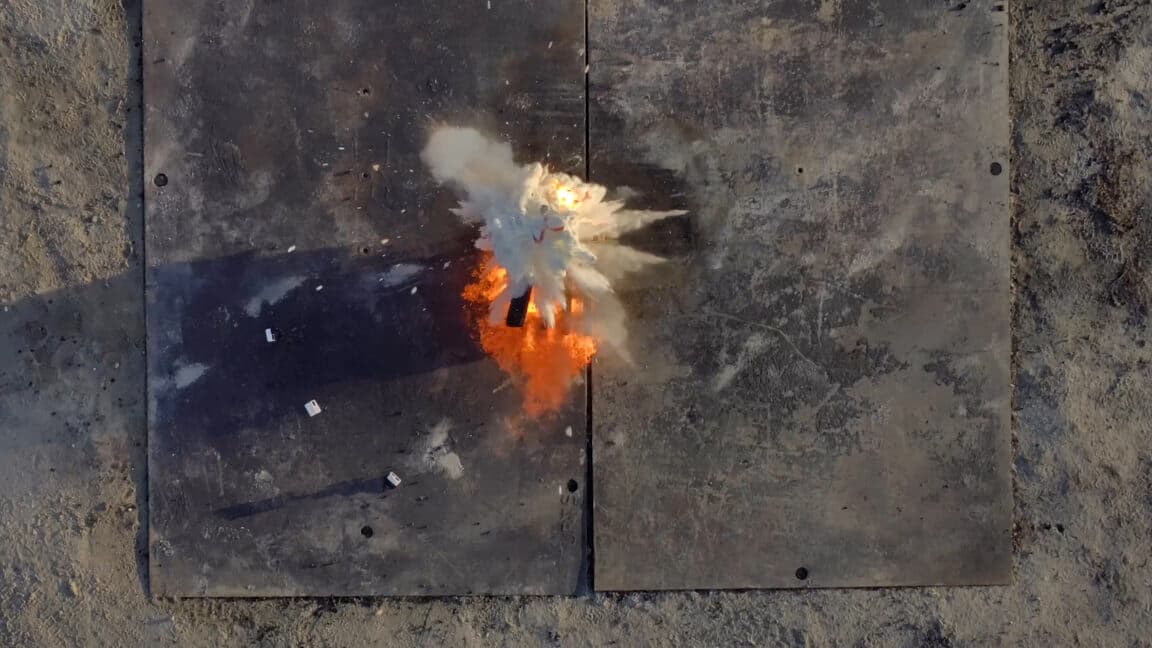
The Autonomous Response finalists tested in Nenana, Alaska, in June 2026 across roughly 386 square miles. All three finalists detected the designated high-risk fire in under 10 minutes; two of them also launched firefighting drones that attempted suppression. Despite these rapid detections and attempted interventions, none of the teams succeeded in fully extinguishing the blaze, leaving the grand prize unawarded in that track as well.
Organizers and judges said the competition highlighted both the progress and remaining obstacles in wildfire technology. Judges narrowed early-stage concepts—including acoustic systems, lasers, robotic platforms, and hybrid ground–air systems—toward solutions that could meet the contest’s strict time and geographic constraints. The contest also underscored a shift toward using AI and software to repurpose existing satellite imagery for wildfire detection, alongside emerging dedicated wildfire satellite constellations such as OroraTech (launched March 2025) and Google-backed FireSat (first microsatellites launched July 2026).
XPRIZE published a full list of winners on September 23. Organizers framed the competition as providing tools to help firefighters and communities, while demonstrating that rapid detection is becoming more achievable even as autonomous suppression at the scale and speed required remains a work in progress.
Keep Reading

Anthropic Says Claude Found Something Big in DNA. It Just Doesn't Know What

Zoox grounds Atlanta test fleet after workers report toxic gas exposure symptoms

The old cybersecurity model is breaking
