AI was supposed to hit new grads hard. So far, unemployment data says otherwise.
A CESifo analysis of US labor data finds that summer 2026 unemployment for recent college graduates (7.3%) falls within the normal range observed since 2022 and shows no statistically significant rise compared with similar age groups or older college graduates. The researchers tested for differences by estimated AI exposure of occupations and conclude there is no clear, widespread hiring disruption for the class of 2026 attributable to accelerating AI use.

Why It Matters
This finding challenges recent claims that AI has already substantially reduced hiring for new graduates and suggests current labor-market disruptions tied to AI are limited. However, the researchers caution that deeper workplace adoption of AI in coming years could alter outcomes for later graduating cohorts, so longer-term monitoring is needed.
Key Facts
- Summer 2026 unemployment rate for recent college graduates: 7.3 percent
- Recent years' range cited: 6.3 percent (2022) to 7.8 percent (2024)
- Comparison groups used: Non-college graduates in same age range; college graduates aged 30 to 49
- AI exposure measure source: A 2023 study classifying job roles by AI suitability
- Contrasting study mentioned: Stanford study using ADP payroll data, which measures job supply rather than unemployment demand
Researchers at CESifo examined U.S. labor-force survey data to assess whether accelerating workplace AI use had produced a noticeable increase in unemployment among recent college graduates in summer 2026. They report a 7.3% unemployment rate for that cohort, a level the authors describe as within the historical range for recent years and not unusually high compared with prior summers. To test robustness, the team compared recent college graduates with two alternative groups: similarly aged non-college graduates and older college graduates (ages 30–49). They also segmented outcomes by an occupation-level AI exposure metric drawn from a 2023 study that evaluated which roles were most amenable to AI technologies. Across nearly all comparisons and time-frame tests from 2022 to 2026, the researchers found no statistically significant differences that would indicate widespread displacement or reduced hiring of the 2026 graduate cohort. The CESifo paper contrasts its findings with a recent Stanford study based on payroll records from ADP. The authors note methodological differences that could explain divergent results: ADP payroll data capture the supply of jobs in various occupations, while the unemployment rate also reflects aggregate demand for work. In other words, a decline in job postings in certain fields could coexist with stable unemployment if demand shifts across the economy. The researchers characterize the Summer 2026 unemployment snapshot as an initial, informative test of AI’s labor-market effects and emphasize caution about extrapolating this single-year result into the future. They warn that if firms intensify AI adoption, later graduating cohorts—such as the class of 2027 and beyond—could experience different outcomes, and they call for additional years of data to determine whether any effects emerge as workplace AI use deepens.
Keep Reading

Mark Wahlberg is coming to TechCrunch Disrupt 2026, and he wants to talk about your work, not his

Anthropic to pay Akamai $11.6 billion over seven years in cloud deal
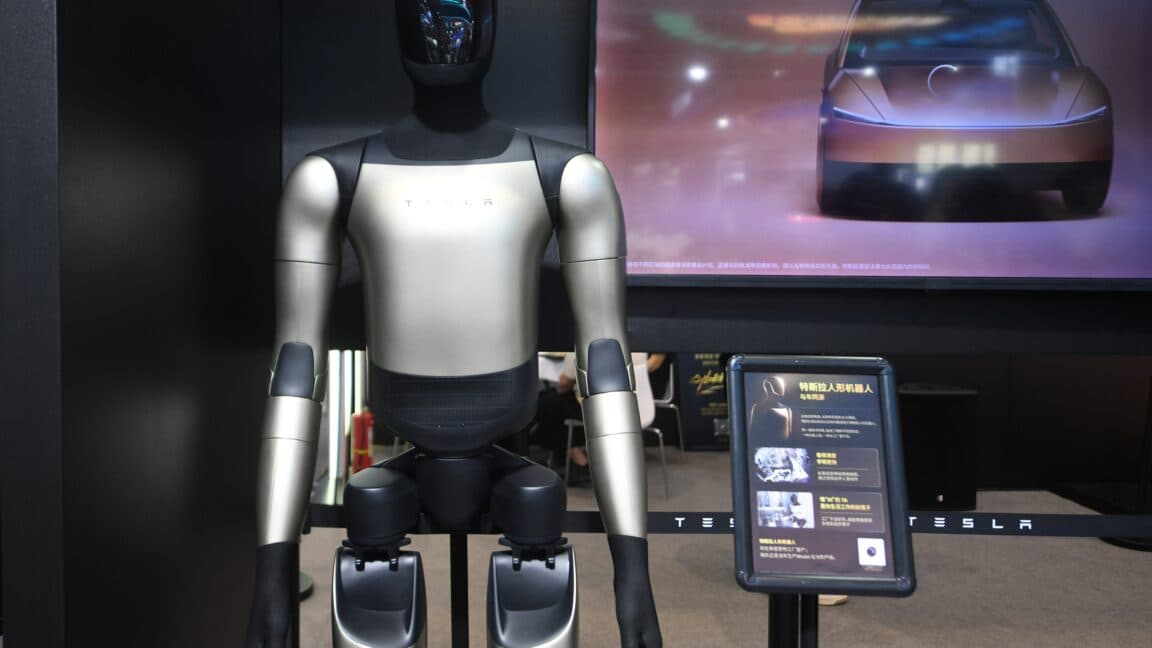
Tesla workers balk at training Optimus humanoid robots as replacements

The hottest new hangout for middle schoolers is NPR’s comment section?
Original source: Ars Technica AI