Dyson’s most overengineered gadget may have a waterproofing problem
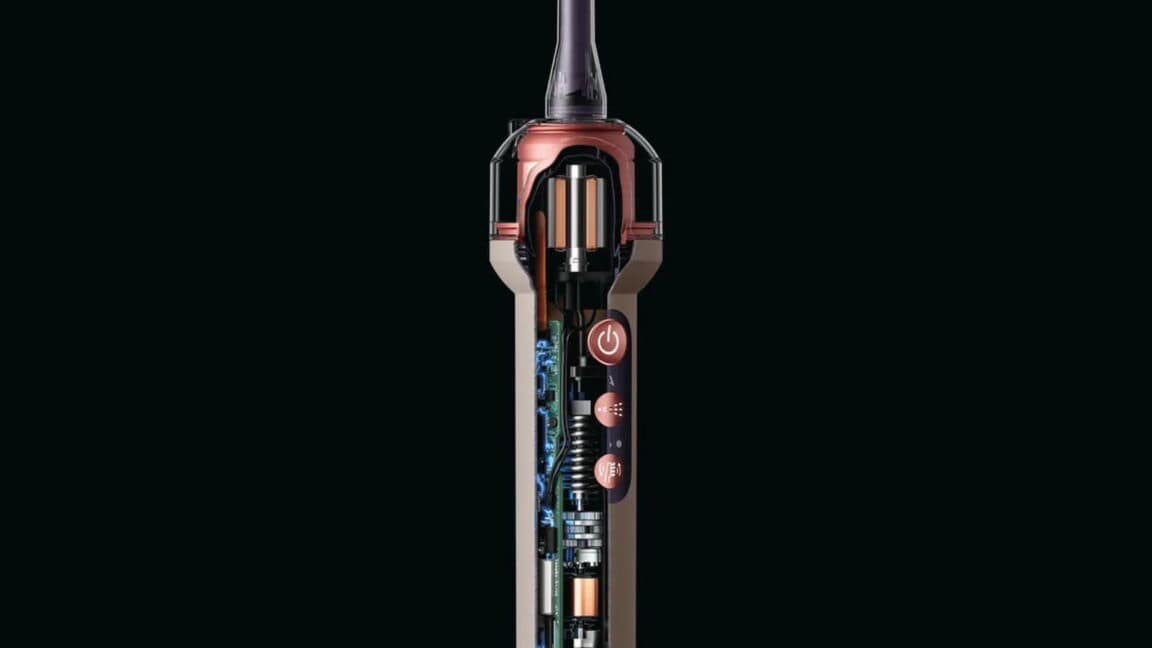
Dyson's new $499 CameraJet electric toothbrush, which pairs a tiny camera and targeted rinse system, has been pulled from sale in multiple markets after early buyers reported water intrusion and rapid failures. The product launched in the U.S. on September 8 and faced complaints within days; Dyson has acknowledged a component issue but has not specified which part is failing.
Why It Matters
The CameraJet represents a major technical departure for a mainstream personal-care device, combining optics, software and fluid hardware; failures in waterproofing or component reliability could undermine consumer trust and raise warranty and safety concerns for other highly engineered household gadgets.
Key Facts
- Product name: Dyson CameraJet
- Price: $499
- Launch date (U.S.): September 8
- Reservoir capacity: 12.5 milliliters
- Optical system training set: 470,000 dental images
Dyson's CameraJet, a $499 toothbrush that combines brushing, a built-in macro camera and a targeted rinsing system, has been removed from sale in several countries after early users reported water in the battery compartment and rapid device failures. The company debuted the product at a Paris event this month and shipped U.S. units starting September 8. Reports of problems emerged almost immediately: some users said devices failed within 30 seconds of use, and Consumer Reports' review unit stopped working in less than 24 hours.
The CameraJet is one of Dyson's more complex consumer offerings. The design effort spanned six years and yielded 38 patents, according to company material. Its Gap Optical Targeting system uses a macro lens and a machine-learning model trained on some 470,000 dental images to locate interdental gaps and direct 12.5 milliliters of mouth rinse to those spots within about 100 milliseconds.
Following early complaints, several retail operations in France reportedly pulled the product by September 11, and stores in the U.S., U.K. and Singapore had also stopped selling it by September 15, according to reporting. Consumer-facing outlets noted instances of water ingress into the battery compartment as a common symptom preceding device failure.
Dyson has publicly acknowledged there is a component issue with the CameraJet but has not disclosed which component is at fault, nor has the company provided a detailed timeline for repairs, replacements or a return-to-sale plan in the reporting. The episode highlights the risks manufacturers face when integrating cameras, fluid systems and batteries into compact consumer devices.
Keep Reading

Toyota orders workers to train humanoid robots but says humans won't be replaced
Lawsuit demands OpenAI pay for new school after ChatGPT used in shooting

Microsoft disrupts AI-assisted platform that compromised 12,000 accounts

Anthropic’s New Claude Opus 5.5 Matches Fable at 60% the Price
Original source: Ars Technica AI