Ethiopia cuts Bitcoin miners’ power by 77% amid hydropower shortage: Report
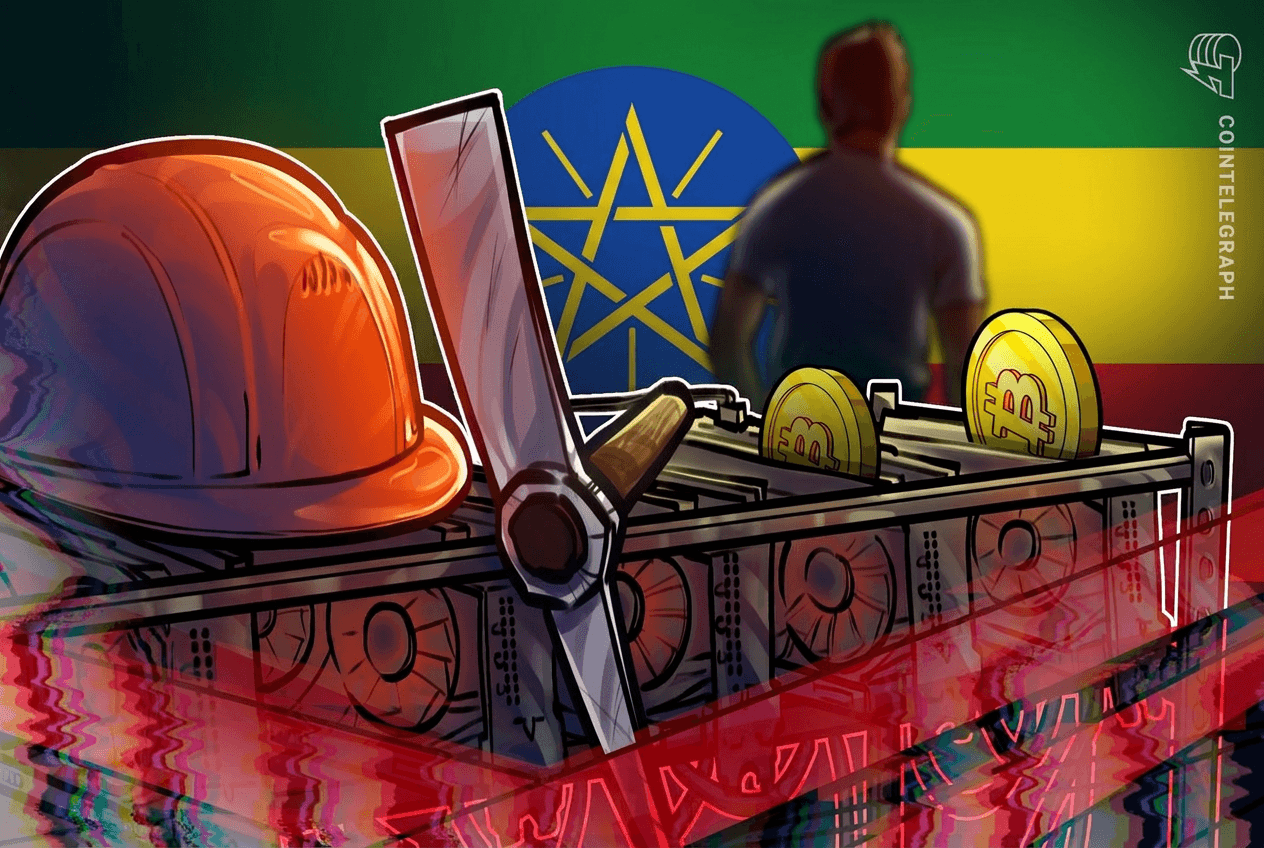
Ethiopia's state power company has cut electricity supplied to Bitcoin miners to 23% of contracted levels as El Niño-driven dry conditions reduced hydropower reservoir inflows by about 20%. Ethiopian Electric Power said it moved to protect household and industrial supply, and may reassess or further restrict deliveries and electricity exports in October.
Why It Matters
The decision underscores a conflict between domestic energy needs and large industrial crypto consumption: miners supplied a substantial portion of the utility's revenue and use nearly a third of national output, creating pressure on grid management during drought-induced hydropower shortfalls. It also highlights broader macroeconomic and market pressures on mining amid Bitcoin reward halvings and competition from AI data centers.
Key Facts
- Reduction level: Electricity to Bitcoin miners cut to 23% of contracted levels
- Reservoir inflow decline: About 20% drop in water inflows attributed to El Niño
- Company: Ethiopian Electric Power (EEP); CEO Ashebir Balcha quoted
- Reduction timeline: Cuts progressed from 75% to 50% and then to 23% of contracted deliveries
- Revenue share: Bitcoin miners accounted for 35% of EEP's revenue last fiscal year
Ethiopia's state-owned power utility has sharply reduced electricity deliveries to Bitcoin miners as drought-like conditions tied to El Niño cut inflows into the country's hydro reservoirs by roughly 20%. Ethiopian Electric Power (EEP) said the move was intended to preserve supply for households and manufacturing customers as water levels fell. EEP's chief executive, Ashebir Balcha, described a stepped sequence of reductions: the utility first lowered deliveries to about 75% of contracted levels, then to roughly 50%, and most recently to about 23%. Balcha told reporters the company will review reservoir conditions in October and could impose additional cuts or even limit electricity exports to neighboring countries if the situation does not improve. The scale of the mining sector in Ethiopia helps explain why the supply decision matters: miners reportedly generated 35% of EEP's revenue in the last fiscal year and consume almost one-third of the country's electricity output. International operators have been expanding in Ethiopia to take advantage of low-cost hydropower; the Phoenix Group, for example, increased its Ethiopian mining capacity to 132 megawatts in April 2025. Industry analysts and proponents have also flagged systemic pressures on Bitcoin mining more broadly. Economist and author Saifedean Ammous argued that global Bitcoin mining electricity use and capital expenditure may have peaked in 2024–2025, noting that future mining revenue is constrained by Bitcoin's halving mechanism and would require the coin's price to rise by about 18.92% per year just to maintain the dollar value of newly mined coins. He pointed to a more than 35% drop in Bitcoin's price over the past 12 months and cited competition from AI data centers as an alternative outlet for power and infrastructure; Miner Weekly, citing VanEck data, estimated public miners could need around $50 billion to deploy planned AI capacity.
Keep Reading

Bitcoin traders brace for Fed hike, but a surprise hold could pose bigger risk

Crypto Exchange CoinEx Is Shutting Down After Nine Years, Giving Users Until December to Cash Out

Bitcoin loses touch with the Dollar Index, U.S. stocks ahead of the Fed