Kalshi Denies Faking Its Crypto Volume
Kalshi, a crypto exchange, rejected accusations that it faked trading volume after observers flagged a recurring trade size over the weekend. The firm said the repeated size originated from a single market maker it compensates to maintain orders on the book, and that this market maker had been incurring losses to faster trading counterparties.
Why It Matters
Allegations of wash trading can damage an exchange's credibility and affect market trust; Kalshi's explanation attributes the pattern to a contracted liquidity provider rather than deliberate manipulation by the platform. Understanding whether volume reflects genuine activity or artifact of market-making arrangements matters for users assessing market quality.
Key Facts
- Accusation: Observers flagged a repeating trade size over the weekend, prompting wash-trading allegations.
- Exchange response: Kalshi denied faking its crypto volume and provided an explanation for the pattern.
- Source of trades: Kalshi said the repeating trade size came from a single market maker it pays to keep orders on the book.
- Market maker outcome: The market maker was reportedly losing money to faster traders.
Kalshi responded to accusations over the weekend that it had manufactured cryptocurrency trading volume after watchers noticed a repeated trade size in its data. The exchange denied the allegation and offered a different cause for the pattern. According to Kalshi, the recurring trade size was generated by one market maker that the platform compensates to maintain live orders on the order book.
Kalshi said the market-making firm was not profiting from the pattern; rather, it had been on the losing side of trades executed by faster counterparties. The exchange framed the repeated size as an artifact of a contractual liquidity provision arrangement, not intentional wash trading by Kalshi itself. Beyond this explanation, the sourced excerpt does not provide additional detail about the identity of the market maker or the specific markets and timeframes affected.
The incident highlights how programmatic market-making and differences in participant latency can produce suspicious-looking trade records even when an exchange is not directly manipulating volume. Kalshi's statement attributes the anomalous pattern to its practice of paying a liquidity provider to post orders, which the provider then filled at a loss against faster traders.
No further claims, regulatory responses, or independent audit findings are included in the excerpt. Kalshi's denial and the market maker explanation are the only details reported in the sourced text.
Keep Reading

Arch Lending eyes tokenized stocks as next collateral market
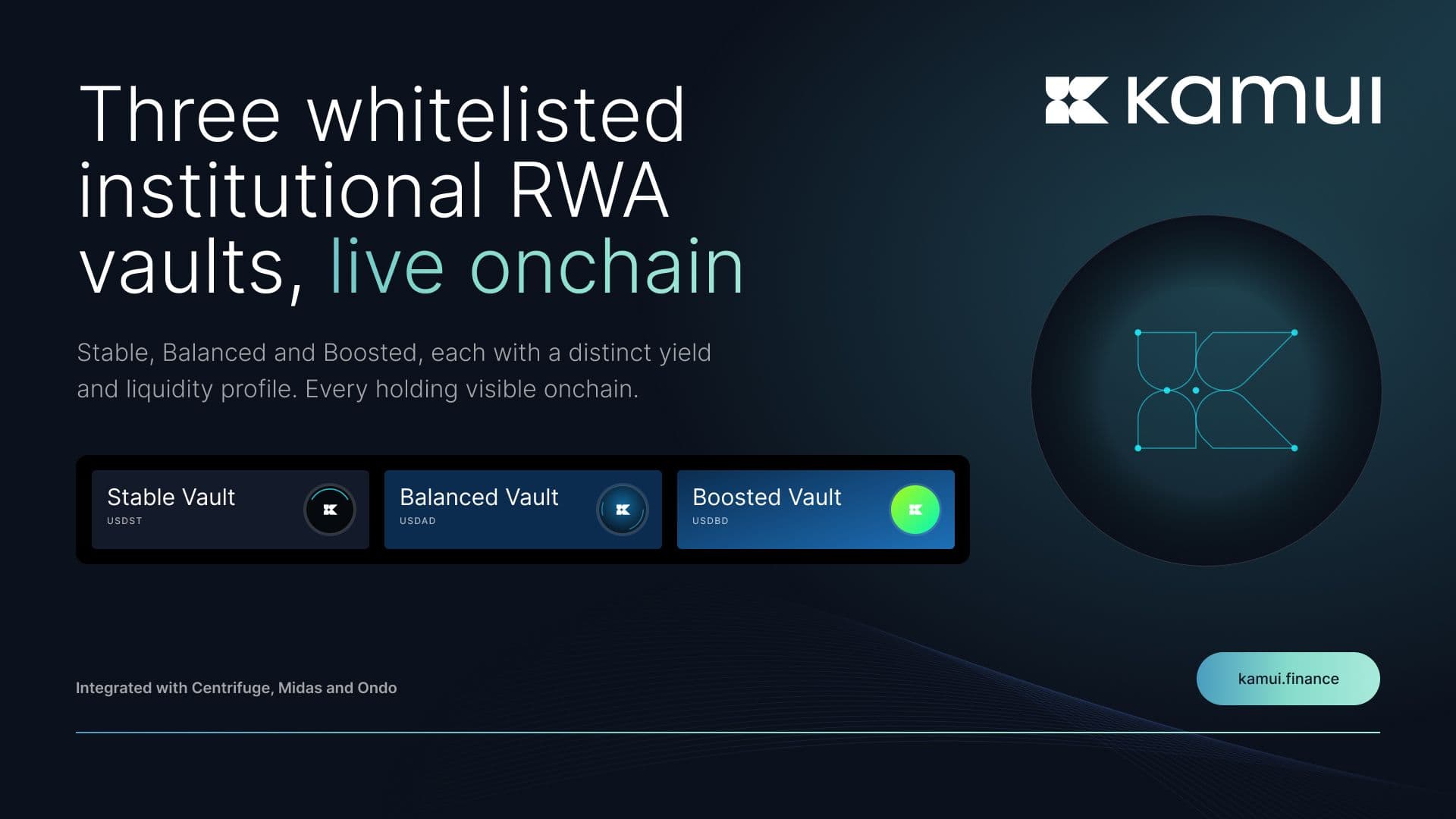
Kamui Finance Brings Three Institutional Real-World Asset Vaults Live Onchain, Integrated With DigiFT, Hastra Prime, Midas
Mastercard-Owned BVNK Adds Stellar Rail for Stablecoin Payments