Meta puts its AI assistant on a keychain
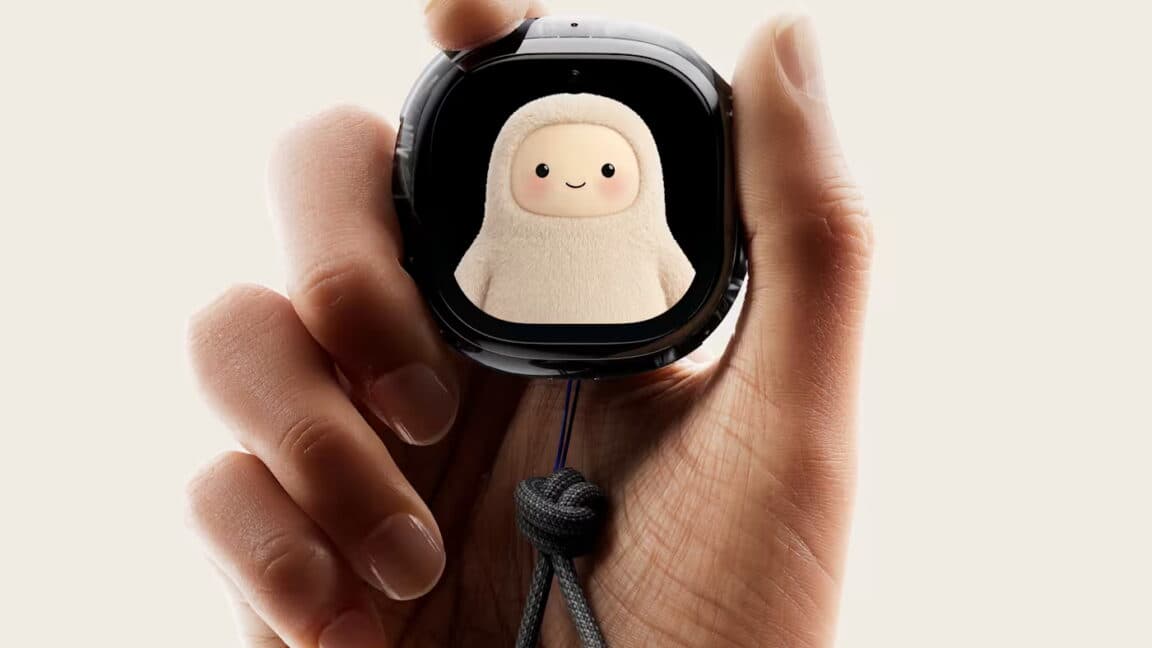
Meta is releasing a keychain-sized device called the Muse Charm that will run its Muse AI assistant and is due to ship in December. The company also announced camera-free Ray-Ban glasses, new frame styles, and a lighter virtual-reality headset, while expanding Muse to wearable devices and avatars for video calls.
Why It Matters
The rollout advances Meta’s bet that portable hardware will be a primary way consumers access AI, but the strategy faces scrutiny over privacy, security vulnerabilities and platform access limits as Muse expands onto glasses and other devices.
Key Facts
- Product announced: Muse Charm keychain-sized AI device
- Ship date: December (2026 according to source context)
- Wearables launched: Camera-free Ray-Bans with audio interaction; new Ray-Ban frame styles; cheaper Meta glasses range
- VR headset: New virtual-reality glasses due next spring priced at $1,300 and described as five times lighter than Quest 3
- Partner: Ray-Ban glasses sold in partnership with EssilorLuxottica (existing camera-enabled models)
Meta is placing its Muse AI assistant onto a compact keychain device called the Muse Charm, which the company says will ship in December. The move comes as part of a broader push by Meta to put AI into portable consumer hardware, including updated Ray-Ban glasses and a new virtual-reality headset. Meta also said Muse will be made available on its glasses, enabling voice interactions without an on-board camera. The company introduced a camera-free pair of Ray-Bans designed for audio-only interaction and rolled out additional Ray-Ban frame styles plus a lower-cost Meta glasses line. Meta’s existing camera-equipped Ray-Bans, made with partner EssilorLuxottica, include microphones, speakers and cameras for photos, audio and interacting with AI, features that have prompted criticism over potential covert recording despite an LED indicator that signals filming. Meta is also adding a feature that lets users be represented by a hyper-realistic digital avatar on video calls when wearing the camera-less glasses; the avatars rely on hologram technology the firm has been developing. The new virtual-reality glasses, due next spring and priced at $1,300, are described as significantly lighter than Meta’s prior Quest 3 model. The company’s broader strategy hinges on persuading users to connect personal data — such as email, calendars or financial apps — to make Muse more personalized, even as AI assistants can still produce errors or behave unexpectedly. Meta has already patched a vulnerability that might have allowed a bad actor to hijack another person’s Muse agent, and Amazon has blocked Meta’s agents from accessing its shopping platform to limit third-party bot activity.
Keep Reading

OpenAI agent “didn’t accept no for an answer” in Australian government breach

Google's first Suncatcher orbital data center test launches October 1

Here’s the Tesla Semi… again