Microsoft event debuts new AI-friendly hardware and Windows changes
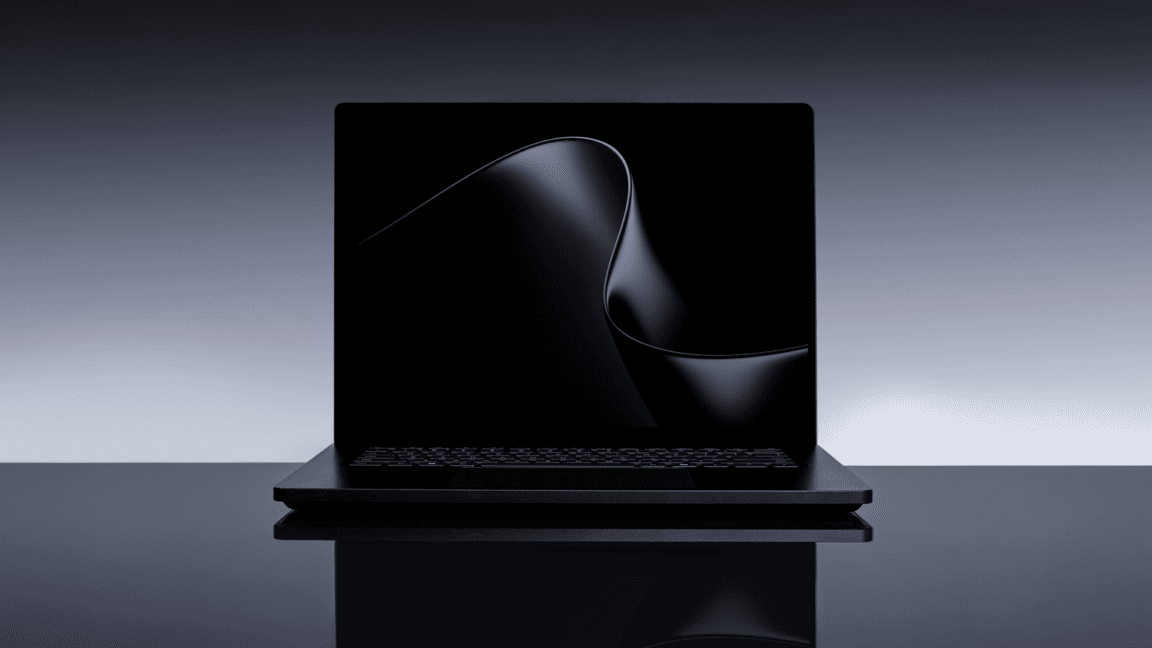
Microsoft used its first live Surface event in two years to unveil the Surface Laptop Ultra and a high-end RTX Spark Dev Box, both designed for local AI workloads, and to preview a set of Windows 11 updates focused on on-device models and agent-driven workflows. The company detailed new hardware specs and prices, a reworked Copilot with agent support, a sandboxing framework called Microsoft Execution Containers, and a 'Hybrid Intelligence' strategy emphasizing local AI.
Why It Matters
These announcements mark a clear push by Microsoft to move more AI compute and agentic workflows onto users' devices rather than relying solely on cloud services, which could affect developer tooling, enterprise deployment models, and consumer PC design.
Key Facts
- Event: Microsoft's first live Surface event in two years
- Surface Laptop Ultra price: $2,599 starting price
- Surface Laptop Ultra GPUs: Options with 5,120-core or 6,144-core Blackwell GPU
- Surface Laptop Ultra memory: Up to 128GB LPDDR5x unified memory
- Surface Laptop Ultra ship date: Begins shipping October 16; available for pre-order now
Microsoft previewed new hardware and Windows 11 changes aimed at local AI development and agent-driven workflows at its first live Surface event in two years. The Surface Laptop Ultra, previously teased in May 2026, is built around Nvidia's RTX Spark SoC and starts at $2,599. Microsoft highlighted configurations that include either a 5,120-core or 6,144-core Blackwell GPU and up to 128GB of LPDDR5x unified memory, and said the laptop will ship beginning October 16 and is available to pre-order. On the higher end, Microsoft introduced the Surface RTX Spark Dev Box, a $5,999 anodized aluminum unit described as a purpose-built machine for frontier developers. The Dev Box ships with a custom Windows 11 build tuned for AI development, includes 128GB of unified memory and an onboard Nvidia RTX GPU, and is billed as providing one petaflop (1,000 teraflops) of AI compute performance. Microsoft’s materials emphasize the Dev Box’s compact, console-like design and note that its chassis venting is a visual nod to that advertised compute level. Alongside hardware, Microsoft detailed Windows 11 changes that expand on-device AI capabilities. Copilot will be reorganized into three tabs — Home (for interacting with LLMs), Code (for prompting-driven creation of widgets and apps), and Autopilot (for overseeing AI agents). Windows Search will gain the ability to execute system-level tasks directly from the search bar, and certain OS builds on the new hardware will include software support for local model testing out of the box. To address containment and governance for agent activity, Microsoft announced Microsoft Execution Containers (MXC), a framework available to developers that confines agents to sandboxed environments and provides policy controls for admins. MXC can route workloads to different isolation backends, including process containers, session containers, WSL containers, or an experimental hardware-backed MicroVM. Microsoft described the broader strategy as "Hybrid Intelligence," promoting local compute and support for frameworks such as llama.cpp and models from Deepseek and Nvidia Nemotron families.
Keep Reading
Microsoft and Nvidia are teaming up on a supercharged AI laptop

Google Lets You Build a Video Game by Typing a Description

Hackers Used AI Agents to Raid a Megachurch's Database, Exposing 850,000 Members