New York sues Polymarket over alleged illegal gambling business
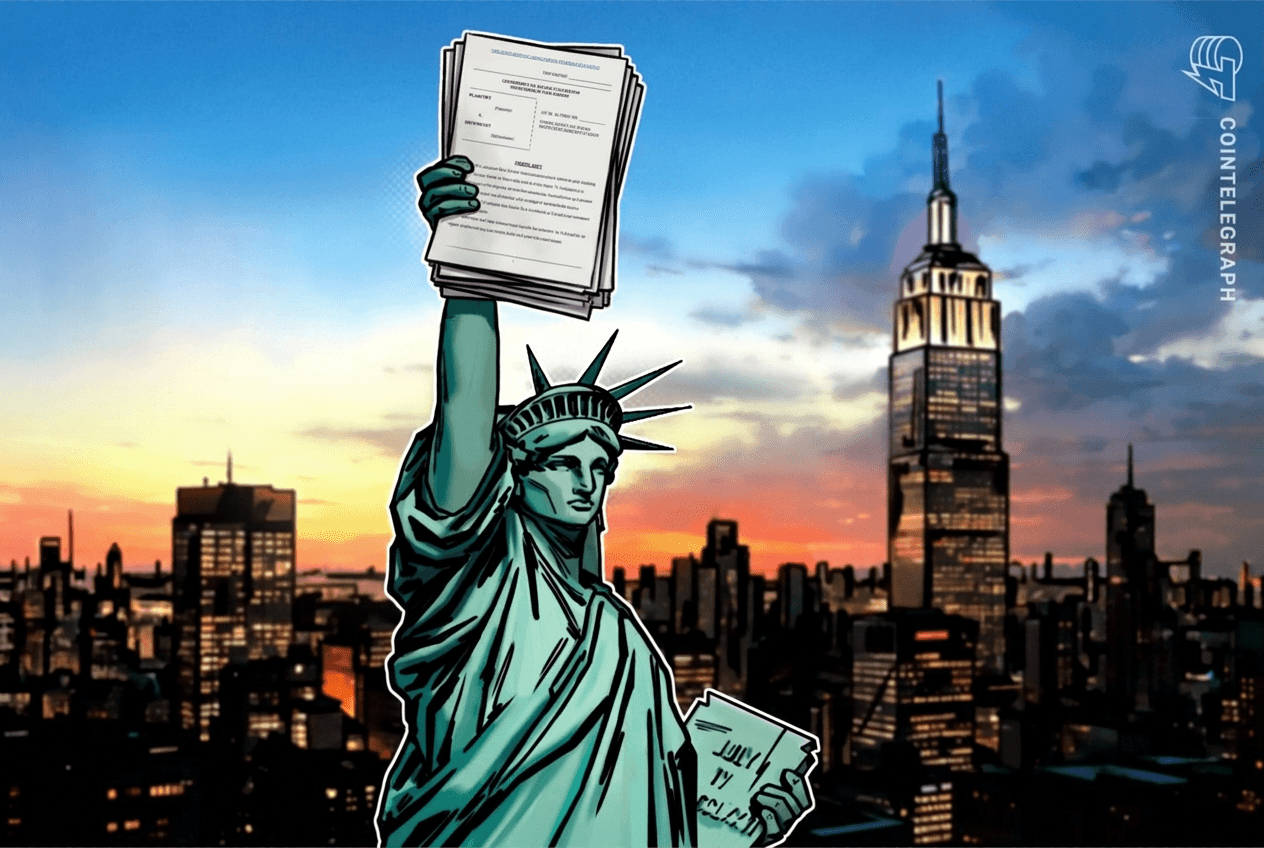
New York Attorney General Letitia James has sued prediction-market platform Polymarket, alleging the company’s event contracts tied to sporting events violate state gambling laws. The complaint targets Polymarket’s December 2025 mobile app offerings and its advertising to New York residents, and seeks potential remedies including blocking access for state residents.
Why It Matters
The filing adds to a series of state legal challenges against prediction markets and underscores a jurisdictional dispute between state regulators and the federal CFTC, which argues it has exclusive authority over these platforms. A pending Supreme Court petition from New Jersey in a related Kalshi case could affect who ultimately regulates the industry.
Key Facts
- Plaintiff: New York Attorney General Letitia James
- Defendant: Polymarket
- Allegation: Offering event contracts that violate New York gambling laws
- Product cited: Polymarket sporting event contracts on its mobile app launched in December 2025
- Prior related actions: Lawsuit against Kalshi in July; litigation against prediction markets run by Coinbase and Gemini in April
New York Attorney General Letitia James filed suit against prediction markets operator Polymarket, accusing the company of running an illegal gambling business by offering event contracts tied to sporting events and marketing those products to New Yorkers. The complaint specifically references Polymarket’s mobile app, which the filing says launched in December 2025 and included sporting-event contracts available to state residents.
State officials argue that Polymarket is presenting what amounts to wagering as ‘‘event contracts’’ on a ‘‘prediction market’’ in an attempt to evade New York’s regulatory framework for gambling. The suit asks the court for remedies that could include barring the platform from offering its services to people in New York.
The action follows a string of state challenges to prediction markets this year. New York’s suit comes after a July lawsuit against Kalshi and litigation in April targeting prediction-market products offered by Coinbase and Gemini. Those cases, and the New York filing, reflect growing pressure from state authorities on platforms that allow users to bet on the outcomes of real-world events.
The legal dispute also highlights a federal-state jurisdictional conflict. CFTC Chair Michael Selig has asserted the agency has "exclusive jurisdiction" over companies operating prediction markets, while state prosecutors have continued to pursue enforcement under their gambling laws. Separately, New Jersey recently asked the U.S. Supreme Court to consider its case against Kalshi, a petition that could help determine whether federal or state regulators have primary oversight; the Court has not yet decided whether to take the case.
Keep Reading

IBM opens beta Swift ledger link for 24/7 tokenized deposits

SoFi tie-up shows stablecoins can provide alternative blockchain settlement rail

Sequans exits Bitcoin treasury strategy after selling remaining 314 BTC

Crypto treasury model loses its edge as stock premiums fade: DWF
Original source: Cointelegraph