India’s Arya.ag to put grain ownership records on Avalanche
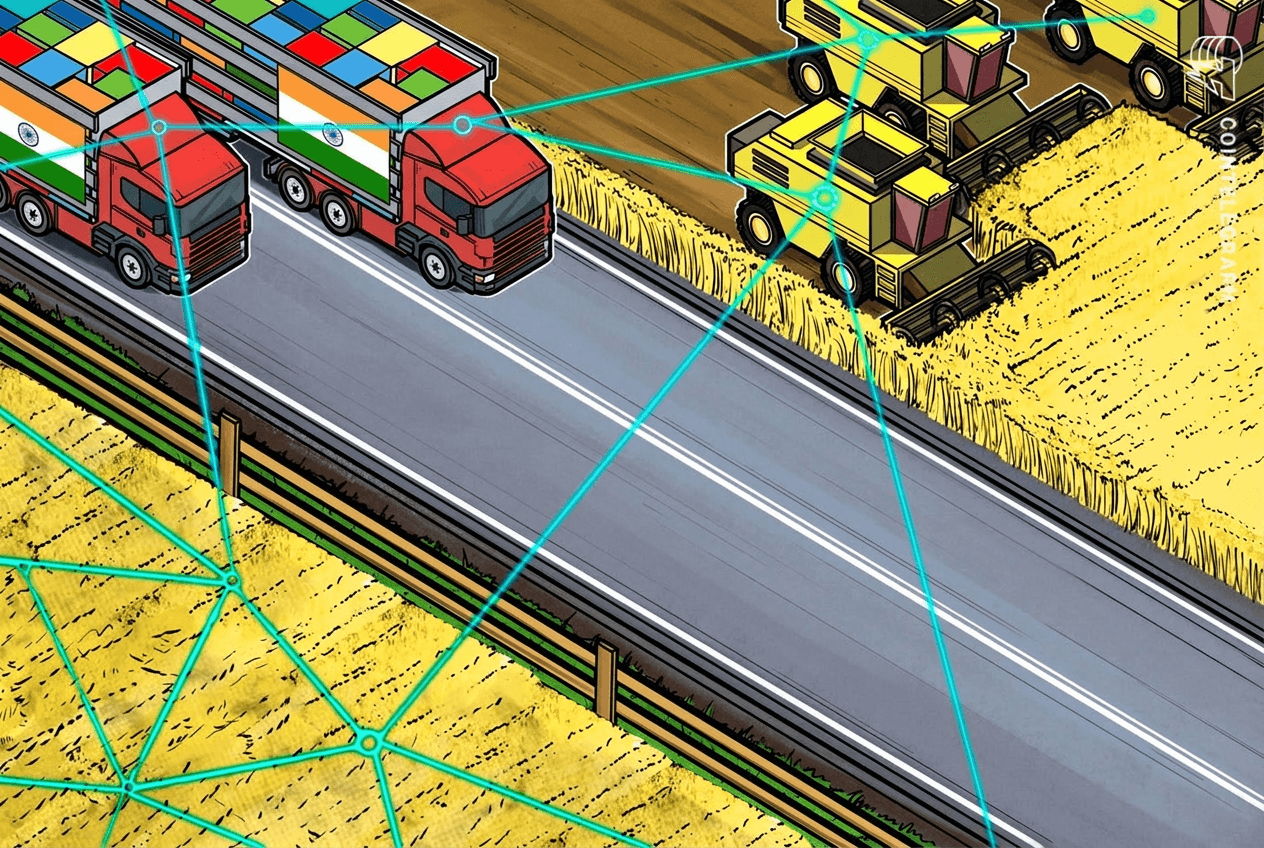
Indian warehouse and lending firm Arya.ag is piloting a system to tokenize electronic warehouse receipts for stored grain on a dedicated Avalanche layer-1 blockchain. The project, developed with Finternet, aims to link farmer, commodity, warehouse, insurance and loan data into tokenized records lenders can use to assess collateral risk, though no launch date or initial deployment size was disclosed.
Why It Matters
If successful, the system could give banks a shared, tamper-resistant record of who owns stored grain and what debt is attached to it, potentially expanding warehouse-backed lending in India. The effort also echoes a 2024 BIS proposal for interconnected ledgers for tokenized assets and comes amid government measures to encourage financing against electronic warehouse receipts.
Key Facts
- Project status: Testing underway
- Blockchain: Dedicated Avalanche layer-1
- Partners: Arya.ag and Finternet (with Ava Labs involvement)
- Token representation: Each tokenized receipt represents ownership of the stored commodity (per Ava Labs' India head)
- Launch details: No expected launch date or initial deployment size disclosed
Arya.ag, an Indian agricultural warehousing and lending company, is trialing a system to put tokenized warehouse receipts for stored grain onto a dedicated Avalanche layer-1 blockchain. The company is working with Finternet and has engaged Ava Labs' India team in the testing phase; Ava Labs’ regional head said trials are in progress and that each on-chain receipt would stand for ownership of the underlying commodity.
Under the design described by Finternet Labs, Arya.ag’s field samplers input physical-inspection data about stored grain into the company portal. Finternet will then combine that data with farmer, warehouse, insurance and loan records to form a “composite token” that lenders could use when evaluating collateral risk and outstanding pledges against a deposit.
Arya.ag said its existing business encompasses roughly $2 billion in agricultural commodities across its warehouse network and supports about 120 billion Indian rupees (roughly $1.26 billion) in annual lending; its lending arm, Arya Dhan, issues about $230 million in loans each year. The firms emphasized that those figures reflect current operations and do not indicate assets or loans already moved on-chain. They also noted the system’s usefulness will rely on accurate physical verification of the commodities the digital records represent.
The Finternet idea draws on a 2024 Bank for International Settlements paper co-authored by Nandan Nilekani and then-BIS general manager Agustín Carstens, which outlined interconnected unified ledgers for tokenized assets and highlighted the need for supporting legal and regulatory frameworks. The announcement also arrives against a backdrop of growing tokenized real-world assets on Avalanche (reported above $1.3 billion at end-2025) and India’s 2024, 10 billion-rupee credit-guarantee program intended to boost financing against electronic negotiable warehouse receipts for small and marginal farmers.
Keep Reading

Bitcoin sell-side risk returns to rare lows as $80K sellers fade from view
Bitcoin Rally Cools, But a Golden Cross Is Coming

Bitcoin ETFs shed $167M after strongest three-week inflow run of 2026