Vitalik Buterin Outlines 'Cryptographic World Computer' Plan for Ethereum
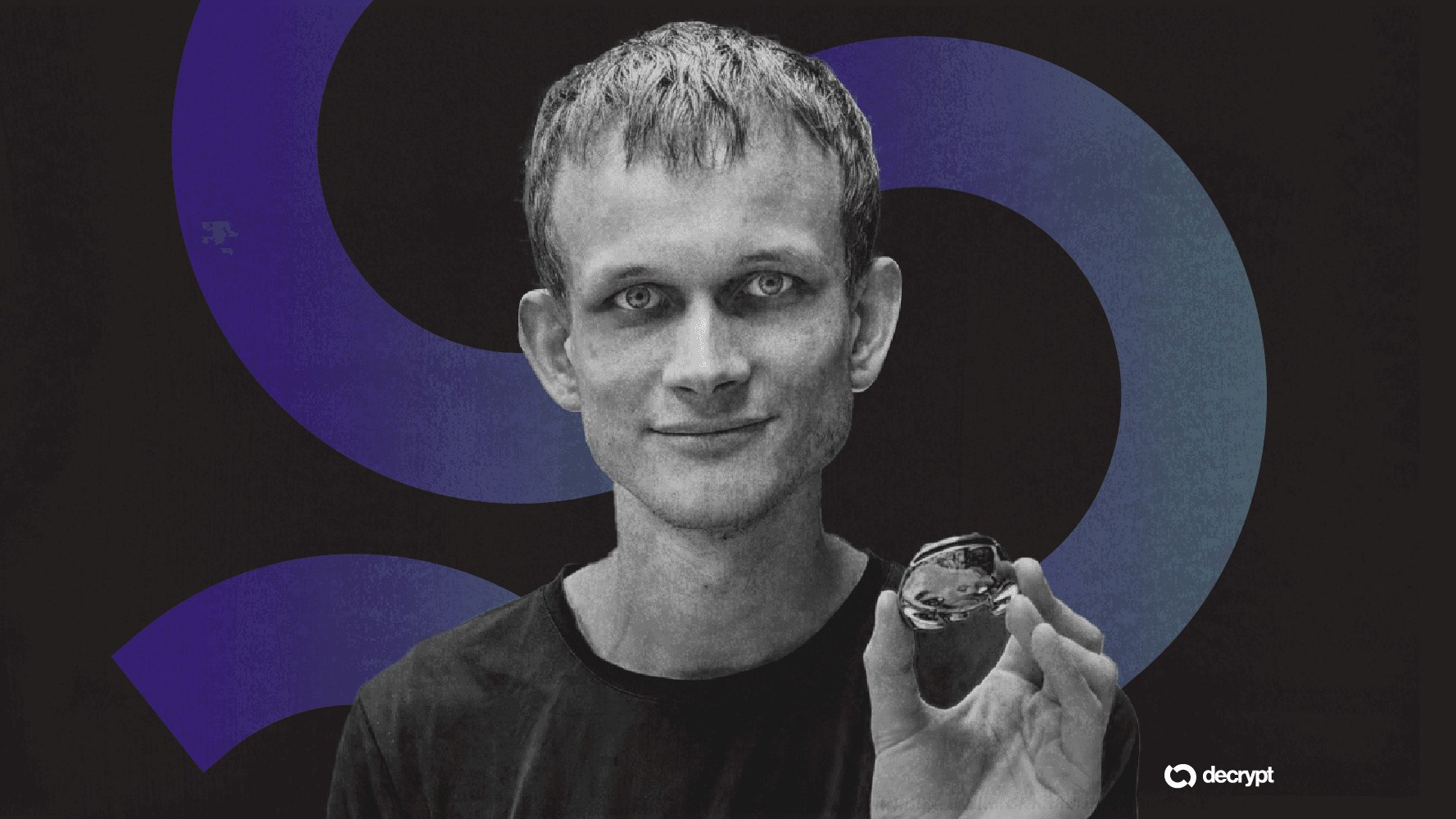
Ethereum co-founder Vitalik Buterin published an essay titled "The cryptographic world computer" outlining the protocol's direction over the next decade. He said the Hegota upgrade, due next year, will likely be Ethereum's final traditional fork, with subsequent changes built around recursive STARKs, automated formal verification and other advanced cryptographic techniques.
Why It Matters
Buterin's roadmap reframes Ethereum as a hybrid of blockchain and modern cryptography, describing concrete changes to verification, consensus, block construction, latency and privacy that would materially alter how nodes verify and include transactions. Those design choices will shape developer costs, node requirements and the network's censorship-resistance and privacy properties.
Key Facts
- Essay title: The cryptographic world computer
- Author: Vitalik Buterin
- Publication date: September 27, 2026
- Next upgrade described as: Hegota — likely Ethereum's last 'normal' fork
- Verification changes: From full re-execution to sampling with PeerDAS and SNARK checks
In a post released on September 27, 2026, Vitalik Buterin set out a long-term vision for Ethereum that moves the protocol away from being a conventional blockchain toward what he calls a "cryptographic world computer." He argues the network is already a hybrid system, combining Satoshi-style blockchain ideas with decades of academic cryptography, and that future upgrades will lean heavily on tools such as recursive STARKs and automated formal verification. Buterin said Hegota, scheduled for next year, is likely to be the final upgrade anyone from Ethereum's 2015 era would recognize as a normal fork. After Hegota, core components will be replaced: verification will shift from downloading and re-executing every block to sampling data with PeerDAS and verifying via SNARKs; consensus will move to a more optimized proof-of-stake design; and block construction will change from single-party proposers to multiple parties collaborating on blocks. He projected substantial performance changes under the proposed architecture. Finality would come in 8 to 32 seconds versus about 200 seconds for the current 12-confirmation heuristic, and slots would shrink to 4–8 seconds. Buterin also said running a node would require much less hardware. To reduce censorship risk he described FOCIL, a validator-committee scheme where members publish pending-transaction lists that the fork-choice rule enforces, producing what he termed guaranteed real-time transaction inclusion. Privacy and developer economics would also be rebalanced. Buterin outlined a layered privacy approach: general-purpose computation would remain partly private and costly, while special-purpose applications could achieve strong privacy through zero-knowledge proofs and private account abstraction. Network-layer privacy measures, including onion routing and mixnets, are being pursued by an Ethereum Foundation privacy cluster launched last October. He warned that gas costs will change depending on whether computation is serial and inscrutable or split into parallelizable dependencies. Buterin framed decentralization as an operational advantage rather than just a cost, noting that parallel storage and computation enable properties a centralized system cannot replicate. He acknowledged remaining engineering challenges — notably making zero-knowledge proofs fast and secure enough and managing access to very large amounts of state — but said modern cryptography and tooling, including AI-driven optimizations, are steadily reducing overhead. The essay complements the Ethereum Foundation's Strawmap, which lays out seven planned forks through 2029; Buterin described the overall transition as a component-by-component replacement of the network akin to a "ship of Theseus."
Keep Reading

Tom Lee's Bitmine Buys Another $47M of ETH, Taking It to 4.9% of Ethereum Supply

Months After the $292M Kelp Hack, Chainlink Lets Institutions Add Their Own Bridge Checks
Citi Clients Can Now Take Stablecoin Payments Through Coinbase—Without Touching Crypto
Coinbase Now Owns Every Layer of Its Derivatives Stack After CFTC Approval
Original source: Decrypt