Zcash Closes On $1,400 After Coinholders Vote to Keep Bitcoin-Style Halvings
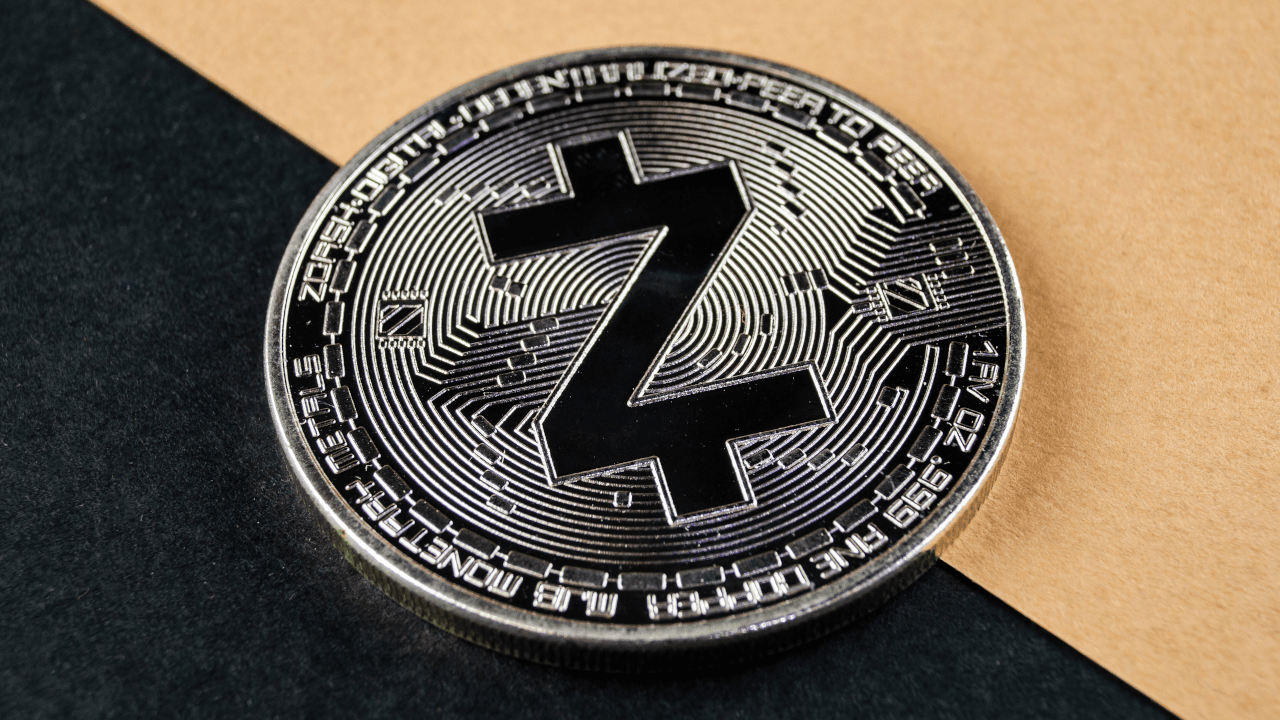
Zcash's native token ZEC jumped to about $1,388 after coinholders voted overwhelmingly to retain Bitcoin-style supply halvings as part of the NU7 upgrade. The governance poll saw a record turnout and resolved several upgrade parameters, while ZEC's price has surged this year amid broader institutional interest.
Why It Matters
The vote locks in a major monetary policy choice for Zcash and signals strong community engagement, which coincides with a multi-month price rally and renewed attention to on-chain privacy from institutional actors. That combination could shape adoption and developer decisions for the network going forward.
Key Facts
- Peak price after vote: $1,388
- Current trading price (reported): $1,368
- Daily gain: 10.9%
- 30-day gain: 168%
- Market capitalization: $22.9 billion
Zcash surged into the high $1,300s after community members ratified the NU7 upgrade design in a coinholder ballot whose results were published Sunday. The vote, based on spendable shielded ZEC held at block 3,459,350 on August 24, attracted a record turnout equal to roughly 66% of eligible holders and saw about 2.4 million ZEC cast. Ballots were encrypted and split to preserve voter privacy while allowing tallying.
Voters chose to retain Bitcoin-style halvings for ZEC emission by a margin of 98.9% versus an alternative smooth issuance schedule. Other approved changes include shortening block times to 25 seconds, immediate deprecation of the legacy Sprout pool, and narrowing the upgrade scope to components ready by September 30. One contentious question—when to begin recycling fees through the network sustainability mechanism—was decided in favor of a February 2031 start date by 96.6% of voters, contrary to advisory panels that had recommended an earlier activation.
Following publication of the results, several ecosystem groups including Shielded Labs, Project Tachyon, ZODL, the Zcash Foundation and Valar Group said they interpret the poll as supporting the February 2031 timetable and indicated they are aligned on that conservative reading; the groups noted an option to revisit the timing in a future poll. The vote process gave one coin one vote, and ballots were designed to be unlinkable to protect voter anonymity.
ZEC has rallied strongly this year, climbing more than 2,500% over the past 12 months and tripling since July's Ironwood upgrade. The Ironwood release followed disclosure of a four-year-old vulnerability that could have permitted counterfeit ZEC; the response trapped affected coins in a retired pool and added quantum-resistant transaction records, and the initial disclosure had pushed the price down about 38%. Market commentators linked part of ZEC's recent gains to the launch of Grayscale's ETF last month and a shifting narrative around financial privacy, with proponents arguing institutions now have clearer pathways to exposure and a growing focus on confidentiality in on-chain activity.
Keep Reading